
Categories
eCommerce Fulfillment

What is eCommerce Fulfillment (and How to Choose the Right Partner)?

A plain-language guide for growth-stage brands in fashion, beauty, and apparel

Key Takeaways

  • eCommerce fulfillment is the full process of storing inventory, picking and packing orders, shipping them to customers, and handling returns after an online sale.
  • Most growing brands hit a point where in-house fulfillment caps their growth. A 3PL provides warehouse space, technology, and a shipping network without the capital cost of building it yourself.
  • Strong fulfillment can improve delivery speed, order accuracy, customer experience, and total cost per order.
  • When comparing eCommerce fulfillment companies, weigh technology and integrations, location and delivery reach, accuracy, peak season scalability, and transparency.
  • Ask to see the provider’s WMS and reporting tools. The technology behind the operation directly affects inventory visibility, order accuracy, and the ability to scale.

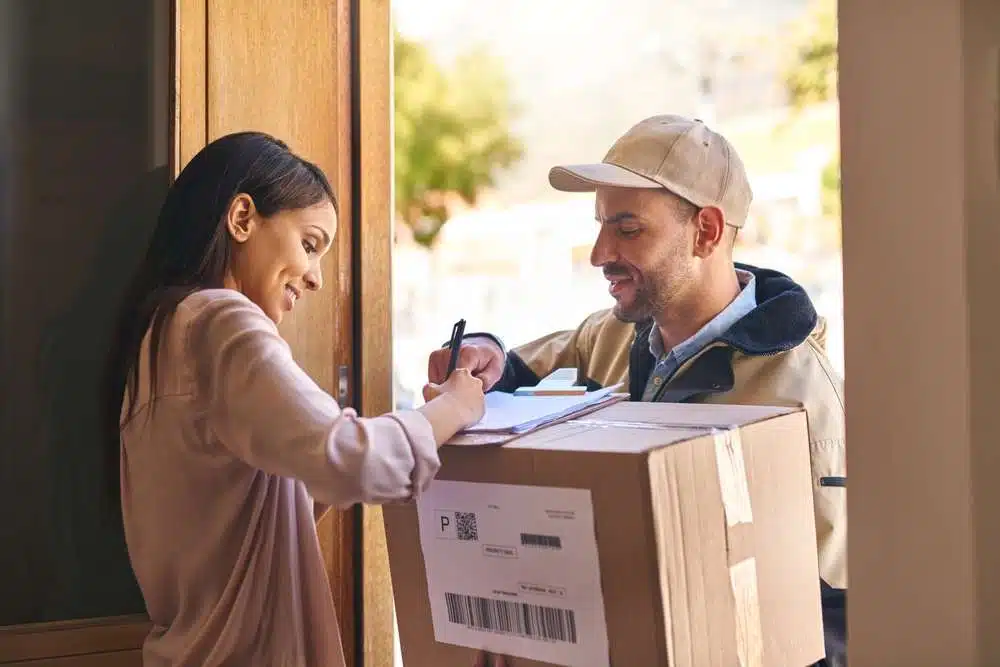
Your marketing brings the order in. Fulfillment is the part of the experience your customer actually feels. The box on the doorstep, on time and intact with a great unboxing experience, is what turns a first purchase into a repeat one.

For growth-stage brands in fashion, beauty, and apparel, fulfillment quietly determines whether you can scale. Get it right and you free up cash, shorten delivery windows, and keep customers coming back. Get it wrong and shipping costs, stockouts, and late deliveries chip away at the brand you worked hard to build.

Here is what eCommerce fulfillment actually involves and how to choose a partner that fits the way your business is growing.

What eCommerce Fulfillment Actually Means

eCommerce fulfillment is the entire process of getting an online order from your storefront into your customer’s hands. It starts the moment a shopper clicks “buy” and ends when the product arrives or comes back as a return. Four core steps sit inside that process:

  • Receiving and storage: Inventory arrives at the fulfillment center, gets counted, and is logged into a warehouse management system (WMS) so stock levels stay accurate across every sales channel.
  • Inventory management and order processing: Products are organized by the warehouse management system (WMS) to allow for workers to pick and pack as orders flow.
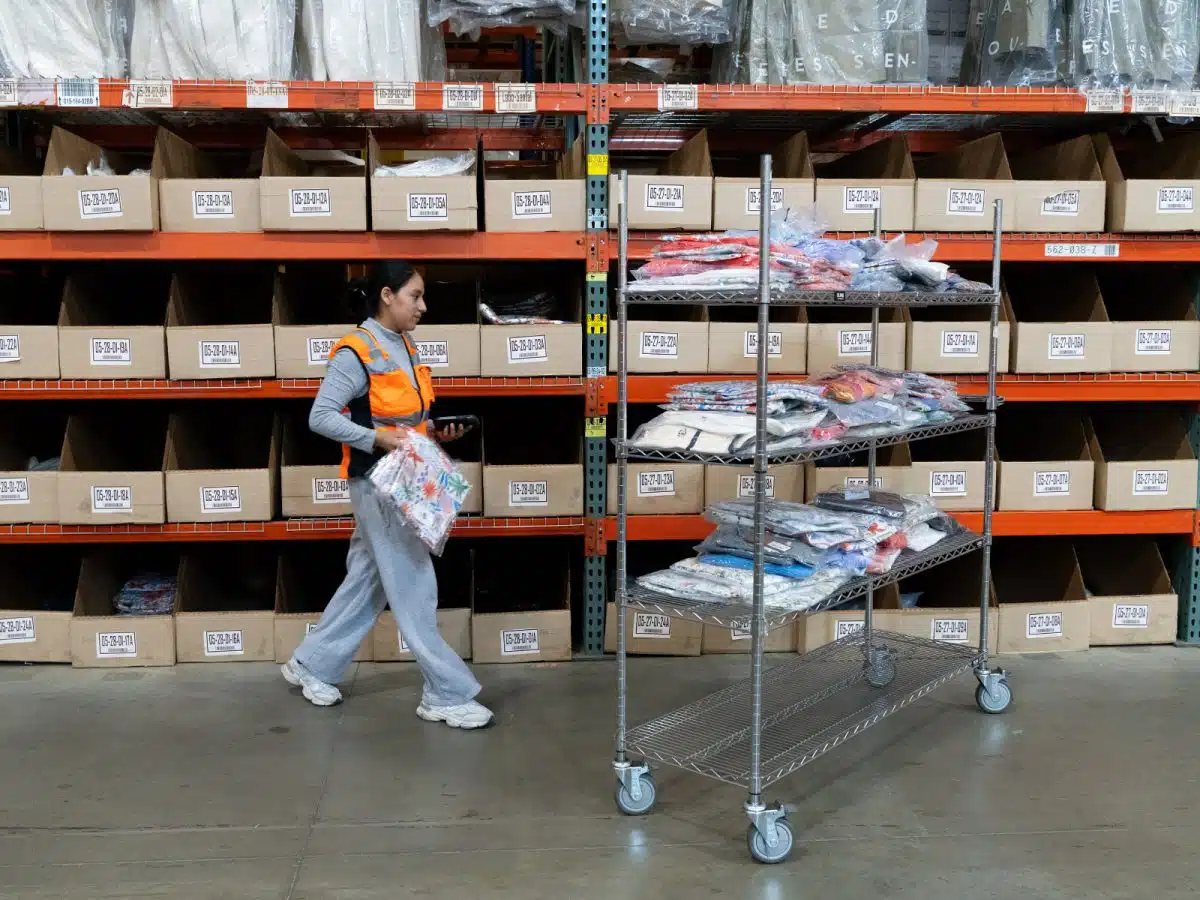
  • Pick and pack: When an order comes in, the team pulls the right items, packs them to protect the product and reflect your brand, and preps them for carrier handoff.
  • Shipping: Orders go out through the carrier and service level that balance speed and cost, with tracking passed back to the customer.
  • Reverse logistics: Returns are received, inspected, and either restocked or processed, so revenue and inventory data stay clean.

When executed well, all of this is invisible to the customer. They simply see a fast, accurate delivery. Done poorly, every step becomes a place where the experience breaks down: a delayed shipment, the wrong item, a return that takes weeks to process. Fulfillment is where your brand promise is either kept or broken, one order at a time.

Why Fulfillment Decides Whether You Scale or Stall

Think about this. Fast, reliable delivery used to be a perk. After the Amazon effect, it is the baseline shoppers expect from all businesses, including independent brands.

That expectation puts pressure on three numbers that follow you everywhere: how fast you deliver, how accurately you ship, and what each order costs to fulfill. Strong fulfillment moves all three in the right direction at the same time.

It also protects your cash. Holding your own warehouse, hiring seasonal labor, and negotiating carrier rates as a small shipper ties up money and attention you could be spending on product and marketing. When your business reaches the point when outsourcing becomes economically and operationally practical, you can refocus your time and resources on your brand rather than fulfillment.

There is an upside worth naming, too. When fulfillment runs well, it stops being a cost center and starts working as a competitive advantage. Faster delivery and reliable tracking lift customer experience, which drives repeat purchases and better reviews. Accurate inventory keeps your bestsellers in stock during the times that matter most. Handled right, logistics puts brands in the driver’s seat instead of leaving them reacting to problems.

In-House vs. a 3PL: When to Make the Switch

Plenty of brands start by shipping orders from a garage, a back room, or a small warehouse. That works until it does not. The signs are familiar: orders take longer to go out, mistakes creep in, peak season turns into a scramble, and shipping costs climb because you do not have the volume to earn better rates.

A third-party logistics provider (3PL) takes on the warehouse, the technology, the labor, and the carrier relationships for you. Instead of building all of that, you tap into infrastructure that already exists and a team that does this every day. Because a 3PL ships for many brands at once, it earns carrier rates and buys packaging at a scale most individual companies cannot reach on their own. A technology-enabled 3PL connects directly to your store, syncs inventory in real time, and gives you one place to see what is happening across every channel.

The switch usually makes sense when fulfillment starts pulling your attention away from growing the business. If you are spending more time in the warehouse than on the brand, it is time to look at outside help.

a worker assembles an order at a ship station

What to Look for in an eCommerce Fulfillment Partner

Not every provider fits every brand. Use these criteria to compare eCommerce fulfillment companies and find the one that matches how you operate.

  1. Technology and integrations. Look for a strong WMS, real-time inventory, and seamless integration with your store and sales channels. Omnichannel support matters if you sell across your site, marketplaces, and retail.
  2. Location and delivery reach. Where a provider’s warehouses sit determines how fast and how affordably you reach your customers. Strategic geography near shipping hubs optimizes speed while split distribution across multiple locations shortens delivery windows and lowers shipping cost.
  3. Accuracy and pick and pack quality. Ask about order accuracy rates. A small error rate at scale means a lot of frustrated customers and a lot of avoidable returns.
  4. Scalability for peak season. Your partner should handle your busiest weeks without dropping service. Ask how they staff and plan for peak, and how they manage SKU depth and SKU velocity as your catalog grows.
  5. Cross-border and landed cost. If you sell internationally, look for cross-border shipping experience and clear landed cost visibility, so there are no surprises for you or your customer.
  6. Returns and reverse logistics. A strong reverse-logistics process quickly identifies, inspects, refurbishes when necessary, and returns sellable products to inventory. This protects the customer experience while recovering inventory value and reducing the amount of capital tied up in returned merchandise.
  7. Transparency and communication. You want proactive communication and transparency, not a black box. Clear reporting and a proactive client success team can be as important as the physical warehouse operation.

Questions to Ask Before You Sign

A short conversation up front saves a lot of friction later. Before you commit, ask:

  • Can you demonstrate your WMS, client portal, and reporting capabilities?
  • What does your pricing include, and how do I calculate my fulfillment cost per order?
  • Do you charge peak-season storage, labor, account-management, technology, or project fees?
  • How do you select carriers and service levels for each shipment?
  • How do you integrate with my platform, and how quickly will inventory sync?
  • What are your average order accuracy and on-time shipping rates?
  • How quickly are returns inspected and returned to available inventory?
  • Who will manage our account, and where is that person located?
  • How have you performed against SLAs during your busiest periods?
  • What does onboarding look like, and how long until I am live?

A confident partner answers these plainly. Vague answers are a signal worth paying attention to.

The Boxzooka Approach

Boxzooka is a technology-enabled 3PL built to help growing consumer brands deliver a consistently strong customer experience as they scale. We combine advanced warehouse technology and real-time visibility with high-touch operational and client success support.

Our teams understand the complexity that comes with deep SKU catalogs, branded packaging, personalization, retail distribution, seasonal peaks, and high return volumes. Rather than forcing every client into a standardized operating model, we build solutions around each brand’s products, channels, customers, and growth plans.

Our goal is to be the best fulfillment partner for our clients, not simply the biggest provider in the market. That means staying close to the operation, communicating proactively, and continuously identifying ways to improve service, efficiency, and the customer experience.

Let’s Talk About Your Fulfillment

If your current setup is starting to hold you back, let’s talk. Book a consultation with our team and we will walk through your volume, your goals, and how the right fulfillment partner can help your business scale and thrive.

Frequently Asked Questions

What is eCommerce fulfillment?

eCommerce fulfillment is the full process of getting an online order from your storefront to your customer. It covers receiving and storing inventory, picking and packing orders, shipping them with tracking, and handling any returns.

What are the main steps in the eCommerce fulfillment process?

There are four core steps: receiving and storing inventory in a warehouse, picking and packing each order, shipping it through the right carrier with tracking, and processing returns through reverse logistics.

When should a brand switch from in-house fulfillment to a 3PL?

The switch usually makes sense when fulfillment starts limiting growth: orders ship more slowly, errors increase, peak season becomes a scramble, or shipping costs climb. A 3PL provides the warehouse, technology, labor, and carrier rates so you can focus on the brand.

How do you choose the right eCommerce fulfillment partner?

Compare providers on technology and integrations, warehouse location and delivery reach, order accuracy, peak season scalability, cross-border and landed cost visibility, returns handling, and transparency. The best fit depends on how your brand operates and where your customers are.

How do you calculate fulfillment cost per order?

To calculate fulfillment cost per order, total all fulfillment-related expenses for a defined period, including receiving, storage, pick and pack, packaging, account fees, shipping, and applicable surcharges, and divide that amount by the number of orders shipped during the same period. Because 3PLs structure and label fees differently, all costs should be normalized before comparing providers.
Categories
Fulfillment

Your Guide to Last Mile Delivery in Los Angeles

Los Angeles’ layout poses distinct obstacles when it comes to doorstep delivery. From heavy traffic and sprawling neighborhoods to port congestion, navigating last-mile logistics in LA can be challenging and complex. 

Brands that master the delivery landscape in LA gain a significant competitive advantage. Discovering what makes LA deliveries unique and finding tailored strategies is key to driving meaningful results.

What Is Last Mile Delivery?

You can think of last-mile delivery as the grand finale of a product’s journey — that crucial stretch from a distribution center to your customer’s front door. Last mile delivery may sound simple, but there is a catch. While the last mile is the shortest distance in your supply chain, it often accounts for a significant portion of total shipping costs. This is due to factors like multiple small stops, traffic congestion, failed deliveries, heavy fuel usage, labor, and inefficient routes.

Why Los Angeles Last Mile Delivery Is So Unique

Los Angeles is a massive patchwork of neighborhoods stretching from Malibu to San Bernardino. Los Angeles’ sprawling size means that delivery zones can span over 60 miles. Unlike compact cities with dense urban cores, LA sprawls in every direction, turning what should be simple delivery routes into a logistical challenge.

Traffic congestion in LA further compounds delivery challenges. The 2024 INRIX Global Traffic Scorecard, which analyzes travel behavior, showed that LA drivers lost 88 hours to traffic delays. The Scorecard also showed that LA was the third most congested city in the United States, after New York City and Chicago. 

Heavy congestion poses a host of issues for delivery drivers, including burning fuel while sitting still, missing delivery windows, and dealing with increasingly frustrated customers.

Ports also factor into the complexity of last-mile delivery in LA. The Ports of Los Angeles and Long Beach handle approximately 40% of the United States’ containerized imports. When those ports get backed up, as is bound to happen, it creates a domino effect throughout the entire supply chain. Your inventory sits in containers, forcing you to expedite last-mile delivery in Los Angeles to keep customers satisfied.

Additional Delivery Challenges Throughout LA

LA’s neighborhoods each come each have their own unique delivery challenges:

  • Downtown high-rises: Downtown areas lack sufficient parking. Drivers also have to navigate security checkpoints for accessing restricted floors.
  • Hollywood Hills: Drivers in Hollywood Hills tackle narrow roads, hilly terrain and challenging access due to permit-only parking zones. Hollywood Hills is also notorious for inconsistent addresses and poor GPS accuracy.
  • Beach communities: Beach communities are tourist attractions, and peak times can turn 10-minute drives into hour-long ordeals.
  • East LA warehouses: Industrial zones are known for congested traffic and bottlenecks. Residential deliveries can feel like an afterthought in these industrial neighborhoods.
  • Valley sprawl: Miles between stops in scorching heat can take a toll on drivers and products.

Key Strategies to Optimize Last Mile in LA

LA’s complex last-mile landscape is marked by traffic, lack of parking, zoning restrictions, urban sprawl. Making strategic choices concerning 3PL partners can make all the difference.

Use a Local 3PL With LA-Area Distribution

Partner with 3PL companies in Los Angeles that understands your needs and knows the area inside and out. When you can manage your inventory with an LA-specific fulfilment service or provider that services the region from nearby, you’re automatically located in a lower shipping zone. Your packages reach customers faster and without worrying about those premium shipping rates that eat into your margins.

The best local 3PLs have spent years working with regional carriers who know precisely when to avoid the 405, which loading docks work in downtown high-rises, and how to navigate those complex neighborhoods. No amount of using Google Maps can set you up for the same level of success.

Leverage Micro-Fulfillment or Carrier Partnerships

Think smaller to win bigger. Micro-fulfillment services are popping up across LA, turning everything from old retail spaces to converted warehouses into strategic inventory hubs. Imagine having products stashed in West Hollywood, Downtown, and Long Beach — suddenly, “last mile” becomes “last few blocks.”

Regional carriers are another ace up your sleeve. While the big national players serve every zip code, regional specialists know LA like the back of their hand. They offer better rates for specific areas and services you won’t find elsewhere — like navigating delivery by appointment only and handling oversized items in beachfront properties.

Streamline With Tech and Automation

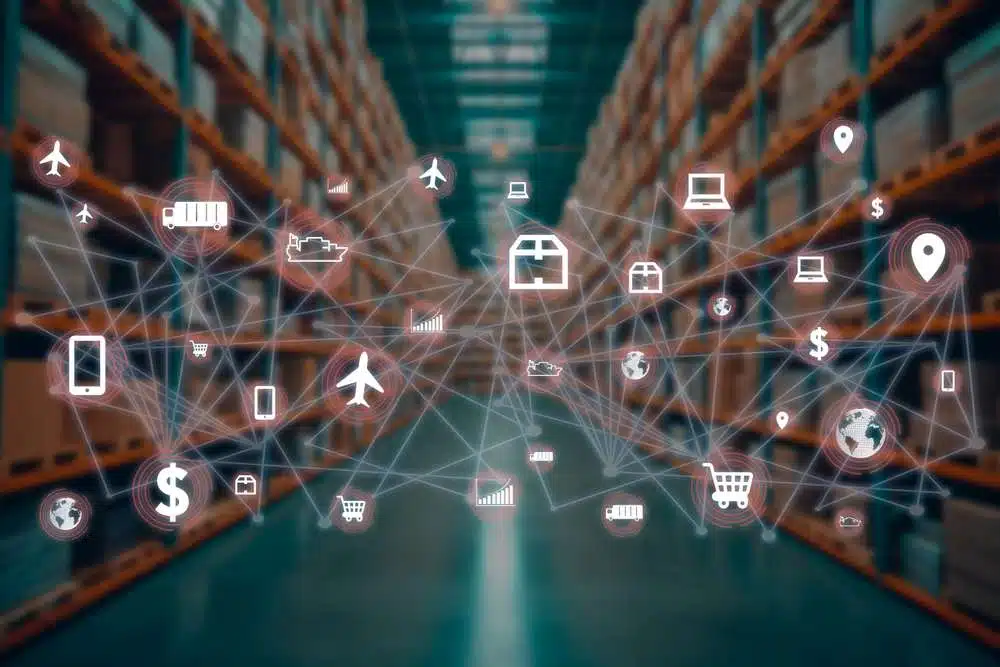
Implementing modern technology is one of the most effective ways you can transform the efficiency of last-mile deliveries. With the right technology, warehouse management systems {Link to: Los Angeles 3pl landing page when published} and carrier networks can communicate directly to automatically select the best delivery method. These automations are based on real-time factors like package size, destination, and the customer’s actual needs.

The benefits of putting the right technology to work are noteworthy:

Technology Solution Result
Route Optimization Software Cuts miles driven and fuel usage to put real money back in your pocket
Real-time Traffic Integration Dramatically reduces late deliveries 
Automated Carrier Selection Ensures smarter routing and faster deliveries without the guesswork
Customer Communication Tools Boosts first-delivery success rates as customers are in the loop
Predictive Analytics Reduces disruptions and boosts proactive problem solving

When customers can track their package and text the driver about leaving it behind the planter, magic happens. Your business experiences more successful deliveries, has happier customers, and can focus on building a customer service team that can focus on growth instead of damage control.

What Makes for Ideal Fulfillment in LA?

Ideal fulfilment is the sweet spot you enjoy with the right warehouse, in the right place, with the right capabilities:

  • Locations: Having strategic inventory distribution across multiple locations can significantly reduce shipping costs while keeping your customers happy with faster delivery times. If you’re import-heavy, proximity to the ports saves days in transit time. For internal shipping, being near LAX opens up expedited options when customers need it most.
  • Carrier relationships: Prioritizing carrier relationships is also a major component of success. Top fulfillment services maintain active relationships with multiple carriers to navigate LA’s complex delivery landscape.
  • Technology: Using the right technology helps you tie it all together. You need real-time inventory visibility, automated order routing, and analytics that provide actionable insights. Companies positioned strategically for West Coast distribution understand this balance — combining prime locations with the tech infrastructure to make it all work seamlessly.

Making Last Mile Work for Your Brand

To master last mile delivery in Los Angeles, you have to turn the city’s challenges into your advantage. The brands finding success in LA aren’t necessarily the biggest — they’re the ones who understand how fulfillment drives customer satisfaction. 

Ready to stop wrestling with LA delivery challenges? The right fulfillment partner can transform your last mile from a profit drain into a competitive edge. 

At Boxzooka, we are a trusted 3PL company with experience in last-mile delivery in LA. We are technology-driven for fast and accurate fulfillment that results in a 99.8% On-time shipping rate. Get in touch with our LA fulfillment experts to discuss how we can help you conquer last mile delivery in Los Angeles. 

Categories
Fulfillment Technology

Tech-First Fulfillment: Boxzooka CEO on Building Better Logistics

The Kid With the Briefcase

An 11-year-old boy walks through his neighborhood, carrying a briefcase and handing out flyers for his car-washing and lawn-mowing business. The other kids are playing video games. He’s launching his first venture.

Fast forward a few decades, and that same drive has led to the creation of one of the most innovative fulfillment companies in eCommerce. When Brendan Heegan sat down with Jason Greenwood on The eCommerce Edge Podcast, their conversation offered an insightful look at how modern fulfillment works. Heegan, founder and CEO of Boxzooka, reimagined what a 3PL could be, starting with tech at the core, then shaping the fulfillment operation around that.

What Boxzooka’s CEO Revealed About Next-Gen Logistics

The conversation with Heegan went beyond the typical logistics jargon and explored how modern fulfillment should work in a digitally-evolving world. 

The Reverse Engineering Approach to Fulfillment

Boxzooka designed its warehouse management system (WMS) before opening a fulfillment center, which was an innovative and unexpected approach. Most 3PLs try to add technology after the fact,  but Heegan took the opposite path.

“Technology is the core of everything,” Heegan emphasized. “With great technology, the 3PL can be successful.”

This foundation helps them manage scenarios that could easily stump traditional providers:

  • Managing 40-60 different brands in one warehouse (imagine 60 different head chefs trying to use one kitchen!)
  • Coordinating orders across 35-38 different carrier options
  • Connecting seamlessly with platforms like Shopify, WooCommerce, BigCommerce, and Magento

When Builders Use Their Own Tools

Boxzooka operates fulfillment centers in New Jersey, Pennsylvania, and Las Vegas, using the same software it offers to other 3PLs. This daily use leads to constant improvements based on real-world challenges.

As Heegan puts it, it’s “built by operators for operators,” which means the system works effectively even when things get complex, and not only in unrealistically ideal conditions.

Simple Orders Aren’t Simple

Greenwood raised a key point: most people have no idea how complex warehouse operations can be. Until you’ve dealt with chaotic putaway systems or tried to optimize pick routes for different delivery speeds, it’s easy to underestimate what goes into getting packages out the door on time.

Why Boxzooka Works

What makes Boxzooka stand out isn’t just smart software or fast shipping. It is a blending of intelligent technology with human expertise, which creates a flexible, transparent, and reliable fulfillment experience. 

People Plus Technology

While many fulfillment companies pursue full automation, Boxzooka follows a more practical path. They use technology to help their teams work better, not replace them.

“Chemistry is just huge,” Heegan noted when discussing what brands should consider when choosing a 3PL. “We’re all human behind the scenes. If you don’t have good chemistry, you’re not going to have a good working relationship.”

Versatility in Practice

It’s easy to claim you can accommodate anything. Boxzooka proves it:

  • Smart kitting: Orders for bundled products generate pick lists for individual components automatically
  • Personalization at scale: Customer customization data flows seamlessly from checkout to warehouse operations
  • True versatility: Whether you’re dispatching individual packages or full pallets, the system adapts

Built-In Transparency

Their software includes features many systems skip:

  • Labor management tools integrated from day one
  • Live visibility into inventory and orders
  • Sophisticated returns processing
  • Analytics that fuel better decisions

As Heegan pointed out, “You can only manage what you measure.”

Smart Technology for Smarter Operations

The conversation also explored how Boxzooka approaches artificial intelligence with practical goals in mind. Instead of robots replacing workers, they’re implementing AI to:

  • Create more innovative training programs for warehouse staff
  • Optimize where products get stored
  • Predict patterns that improve efficiency
  • Help operators find answers quickly through natural language search

This practical mindset mirrors their overall approach: solve real problems without creating new ones.

Consider how this philosophy works in practice: One fashion brand, Heegan mentioned, manages 60,000 SKUs through Boxzooka’s system. Traditional bicoastal distribution would be impossible with that many products, but Boxzooka’s technology handles the complexity through intelligent batching and virtual SKU mapping. 

What Forward-Thinking Brands Need to Know

The podcast’s insights point to a simple truth: technology alone won’t solve your logistics needs. Success comes from finding a partner who understands your business and can grow with you.

Whether you’re managing a handful of SKUs or tens of thousands, shipping directly to consumers or wholesale to retailers, the lesson remains the same: good fulfillment requires the right mix of technology, experience, and partnership. As Heegan explained during the podcast, some brands share tariff costs with suppliers, others pivot to new sourcing countries, and many adjust pricing strategically — but all need a fulfillment partner who can adapt alongside them.

Is Your Fulfillment Holding You Back?

  • Do you get more customer service emails about shipping than about products?
  • Have you ever lost a sale because you couldn’t fulfill from multiple locations?
  • Does the phrase “inventory sync error” make you break into a cold sweat?

If you answered yes to any of these, you’re not alone, and you’re exactly who Boxzooka was built for.

Boxzooka addresses these realities through built-in flexibility:

  • Virtual SKUs that automatically break down into parts
  • Systems that process product personalization without manual intervention
  • Equal capability for both B2B wholesale and B2C direct-to-consumer shipments
  • AI that delivers tangible improvements to operations

The technology proves its worth daily. When orders come in for customized products, for example, the system automatically routes them through personalization workflows without manual sorting — a process that would typically require dedicated staff and separate systems.

The Core Principle That Changes Everything

If you take away just one insight from Heegan’s conversation with Greenwood, make it this: The best fulfillment technology doesn’t force you to change how you work — it adapts to how you already work, then makes it better.

That’s the opposite of what most 3PLs offer. They hand you their playbook and tell you to adjust. Boxzooka wrote their playbook around what works in the real world, where orders are unstructured, customers have high expectations, and every brand is different.

The conversation revealed a different perspective on fulfillment technology. Rather than pushing customers to adopt new systems, success comes from building tools that work with how businesses already operate. While competitors push customers toward new portals and platforms, the most innovative solutions emerge in software that adapts to existing workflows.

“You can only manage what you measure, but you can only improve what you truly understand.” – The valuable insight that drives Boxzooka’s approach.

The complete Ecommerce Edge Podcast episode offers additional insights into scaling operations, navigating today’s shifting shipping landscape, and finding the right fulfillment partner for your business growth. After listening, you will have gained a new approach to solving operational challenges across your business.

Ready to see how tech-first fulfillment could transform your operations? Visit Boxzooka’s website or reach out directly at info@boxzooka.com for a personalized consultation. 


Categories
Guides News

Avoid Supply Chain Dominos by Navigating the Disruption Du Jour

By Tom Behnke, Total Retail

It can feel, at times, like a game of dominos. When there’s a global supply chain disruption, like those we’ve been seeing in recent months on the Red Sea and the Panama Canal, e-commerce companies and, ultimately, consumers feel the downstream ripples.

For those working on the inside, it’s nothing new. There have been plenty of similar events in recent years. During the pandemic, which had its own challenges for supply chains, events like the running aground of the large container ship “Ever Given” in the Suez Canal provide one of the best examples of how one event can add “insult to injury.”

Another occurred not long after Ever Given — severe labor shortages at vital ports like the one in Long Beach started to inject another complication.

The period during the pandemic truly was a perfect storm for supply chains. It gave a real-world case study on how seemingly separate and, on their own, manageable snags can combine to upend supply chains from the plant all the way to the customer’s door and how difficult it can be to unwind once started.

Today the pandemic’s worst effects have passed and now, as the world becomes an increasingly complicated place to do business, we’re seeing yet again how an “isolated” problem in one corner of the world can have an effect on billions.

‘Floating’ Economy at Risk in Turbulent World

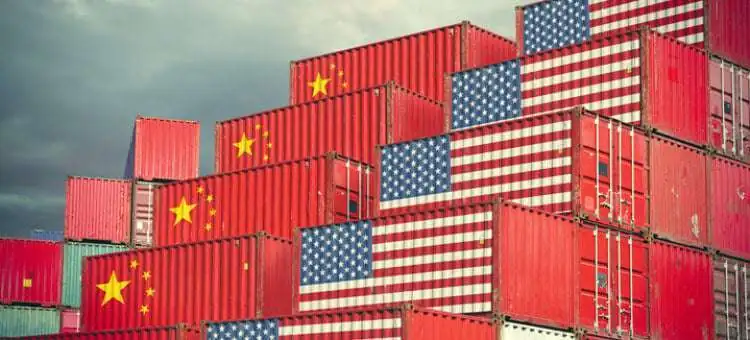
A staggering 90 percent of the world’s trade is transported by ship, so the effects can be quite dramatic whenever a “choke point” becomes congested or there’s some other interruption on the “high seas.” For consumers, sometimes it’s noticeable in the lack of inventory in a particular category. Almost always, there’s an added cost from the delay, which is absorbed by the merchant and often passed to the customer.

As global trade grows, more ships burn more fuel and pay their crews more to be out at sea longer. This alone brings increased costs, but add in disruptions such as we’re seeing in the Red Sea region and it means those increased costs are unavoidable.

On top of this is growing uncertainty about the future of trade on the “high seas,” a notion that has propelled maritime traders for centuries. Today, as seen in the Red Sea area, forcing carriers away from the Suez Canal and instead around Africa’s Cape of Good Hope, terrorists are challenging free trade in their backyard and affecting consumers downstream.

Higher Costs Trickling Down

Last year saw relatively inexpensive ocean freight. Believing that pandemic volumes would carry into 2023, carriers bought bigger ships. As it turns out, this actually had the opposite effect. It resulted in too much supply, coupled with lower demand; the resulting cost of a 40-foot container from Shanghai to Long Beach stayed below $2,000.

As these latest snags throw yet more wrenches into the mix, container prices in the first month of 2024 doubled and in some cases even tripled. The world container index most recently had the price of a 40-foot container pushing $4,000.

The primary trade route between East Asia and North America has been especially challenged recently. As China prepared to shut down for the Lunar New Year, there was a rush to get products loaded and shipped. Then there’s the Red Sea. Some carrier traffic is being diverted through the Suez to avoid the Panama Canal, where drought has caused lower water levels. Others are going around the tip of Africa to avoid the threat of attacks and piracy. Suddenly a lot of vessels are taking more time to complete their cycles.

Be Supply Chain Aware 

As the world’s carriers work around disruptions, it’s important that any company working within the supply chain stays on top of it every minute of every day.

Visibility and Communication

Being in the know, understanding the situation and knowing how it may impact operations and product availability is key. Follow disruptions and understand their residual impact. If you can’t figure it out, reach out to your suppliers and ask questions. The more quickly action is taken the more effectively disruptions can be worked around.

Reimagine Warehouse Operations

Consider moving away from major distribution sites in metropolitan cities to several large hubs served by strategically located distribution centers. Having several major hubs within a two- to three-day delivery time of 95 percent of American households is the model that’s cost effective and service-oriented. This allows retailers to make up for lost time once delayed ships make it to port and product finally starts closing in on its final destination.

Find a Strong Partner

A third-party logistics (3PL) provider can be a strong solution for those with the resources. A true 3PL partner offers turnkey solutions and advice around warehousing, inventory efficiencies, SKU depth, and velocity, purchase planning, and other vital operations. Hire a 3PL with its finger on the pulse of the entire supply chain.

Technology is Your Friend

Technology is evolving all the time, and adapting to the latest warehouse management systems (WMS) technology is paramount. The upgrades can be daunting and pricey, but that shouldn’t deter any company working within the supply chain. A worthwhile WMS must help you grow your business and keep issues within your supply chain visible at all times.

If anything has been learned since 2020, it’s just how intricate our supply chains are and how one seemingly “unconcerning” issue in a faraway corner of the world can have a major impact down the chain on the other side of the globe, especially as additional disruptions arise.

No matter the supply chain sector we work in, being experts on the supply chain at any moment in time is critical in overcoming the hurdles that are thrown our way each and every day.

Tom Behnke is an advisor for Boxzooka, a cloud-based warehouse management software platform and fulfillment distribution center, and vice president of sales and marketing.

To see the original article, click here.

Categories
eCommerce

Ecommerce Quandary, Fixing the Returns Problem

Ecommerce is a blessing and a curse in the world of retail. While it’s played a key role in the overall success of retail in recent decades, it’s also saddled the industry with a growing returns problem. For every percentage growth in sales, more items are returned by customers.

As the 2023 holiday season’s returns tallies become more clear, we’re reminded again of the importance of having a good plan in place to limit the negative financial impact that returns impose. Holiday returns for 2023 were expected to total about $148B, according to the National Retail Federation, NRF. That’s compared to $171B for the 2022 holiday season, $151B during the 2021 holiday season, $101B in 2020, and about $100B for the 2019 holiday season.

Returns related to the holidays seem to be on the decline for the first time since the pandemic, which is good news, but that doesn’t tell the whole story. Before COVID and the lockdowns completely shifted consumer buying habits in 2019, retail returns for the year stood around $309B, 8.1% of total retail sales. Returns hit their high watermark in 2022, more than doubling the 2019 number, at $816B or 16.5% of sales. 2023 saw the first decline in total returns in years, at $732B or 14.5% of total retail sales.

Despite that recent decline, the cost burden isn’t shrinking, leaving many retailers to find ways to reverse course.

The Pandemic Effect

Nearly four years ago to the day, the pandemic and the multiple lockdowns took their big swing and changed things forever. As terrible as it was, it was a boon for ecommerce. Lockdowns and distancing turned people away from bricks and mortar to ecommerce, the safest option for in-person shopping.

Prior to Covid, retail growth in 2019 stood around 3.5%, jumping to 7.6% the next year, then 14.4% in 2021, and back to 7% in 2022. Growth in 2023 was expected to drop again to somewhere between 4 and 6%.

The lasting effect of the pandemic on the retail universe is most reflected in ecommerce, as millions of consumers adopted online shopping. This created a very large new group of loyal ecommerce customers; they won’t be giving up this new-found ease of shopping any time soon, and they’ll keep the returns conundrum rolling for years to come.

Returns have always been a negative in ecommerce, the more we shop online, the more likely it is we’ll receive an item that doesn’t fit, or just doesn’t meet the “mark” since we couldn’t try it on or try it out. 

Tightening Returns Policies to Lessen the Blow

Returns are no longer a seasonal endeavor, with the biggest hit coming during the holiday season. Today, returns must be viewed as a year-round problem, answered with an “always-on” business strategy.

For every $1B in sales the average retailer lost $165M in returns in 2022, a figure that is ever-growing. During the pandemic, many eased returns policies. Then, as the emergency started to fade, retailers started looking for ways to recover some costs from returned items. The expense of accepting a returned item can be more than the resale potential of that item. Shipping costs also certainly eat up a major piece of that value. Then, add the cost of manpower to process those returns and other key actions within the returns pipeline; it should come as no surprise that retailers are looking at all avenues to right-size this problem.

About 58% of retailers moved to “returnless” or “keep it” models for their returns. Others have put fees into place to cover some of those costs. Some are offering store credit instead of refunds, while others are asking customers to bring returns back to the physical store instead.

All of this has to be done while keeping customer loyalty the overriding priority. Putting more strict policies into place has to be done in a way that doesn’t alienate customers. The good news is that, in the retail world, customer loyalty isn’t exclusive to a restrictive returns policy.

Maximize Returns Operations, Lower Costs

One thing above all others stands out as far as preserving the value of a returned item. Moving returned items through the system quickly and back into stock for resale is vital here. Retailers that treat returns with the same urgency as outbound orders will realize the benefits.

For so many, this can be difficult at best. That’s why having a great 3PL partner, one tasked to manage returned goods and managing the process in an expedited manner, is absolutely essential. Streamlining the process in a way that reduces transportation costs and accelerates the return-to-market cycle should be the ultimate goal.

This is where the expertise and experience of strong 3PLs like Boxzooka can make all the difference, getting rid of the hassle and decreasing the negative cost. But there are plenty of simple things any ecommerce company can do today:

  • Be prepared: Plan for the influx; being prepared is key to success, especially during the hefty returns season after the holidays. It’s never too early to plan and make sure the returns process is clear and efficient, which can include dedicated teams to handle returns, clear returns policies, and a streamlined system for processing returns. 
  • Pre-empt Returns: Provide tools and information that reduce the chance an item will be returned in the first place. Things like online “sizing” tools, customer feedback with reviews about sizing, sizing charts, and plenty of product imagery as well can reduce the chance a customer’s order won’t “meet the mark.”
  • Analyze the data: Understand the trends! Knowing why something is being returned in the first place can lead to discovery when data is analyzed in a way that identifies patterns and trends. This can allow retailers to take additional steps in a customized approach.
  • Communicate with customers: Today’s shoppers increasingly want transparency from retailers, especially during the returns process. Keeping them informed and knowing what to expect goes a long way in making up for fees or other policies meant to reduce cost burden.
  • Automate: Streamlining the returns process with the use of automation can be a major aid to staff. Simple tools like barcode scanners, RFID tech to track returns, automated messaging to keep customers in the loop, and tools to analyze data and trends, can be an ecommerce retailer’s best friend.
  • Find New Opportunities: Ecommerce companies should constantly evolve by finding new opportunities to improve the customer experience. Whether it’s new technology or a new concept, be in the know so you can leverage the latest and greatest!

Returns are, no doubt, a significant challenge, especially after the holidays. But, with the right approach that addresses this as a year-round problem, it can be a great opportunity. For ecommerce retailers that are prepared, are constantly looking for trends and new discoveries, communicating/updating customers inside the returns process, and automating where it makes sense, tackling the returns problem and ultimately reducing the cost burden is within reach.

Most importantly, focus on the relationship you’re building with your warehouse fulfillment center or 3PL. They really are your secret weapon!

It won’t be long before we’re in the midst of the ramp-up to the 2024 holiday season. The time to review your returns protocols, review the 2023 data/trends, and build a more efficient system for the next season is now!

By Tom Behnke

Categories
eCommerce

What’s The Deal With “Black Friday?”

Shoppers in America christened the Friday after Thanksgiving as “Black Friday” long before the internet and eCommerce began to dominate the retail world. This year will be no different. However, the phenomenon is not a single-day experience – and it’s not just an American event. Here’s a quick look backward and forward on Black Friday and its impact on retail shopping in general and eCommerce specifically.  

Going way back to the 17th century (that’s 1600 to 1699), there was a saying referring to “Black Friday” as the “day on which an examination is held.” No kidding. Leave it to students to coin a new phrase with some slang. 

In 1869, according to the History Channel, Black Friday was used to describe the gold market crash on Friday, September 24. Obviously, neither of these historical references had anything to do with shopping. 

Post WWII in the 1950s, the day after Thanksgiving was becoming a big shopping day in the US, with people packing into stores for “deals” on Christmas presents. The police in Philadelphia started calling the day Black Friday because of all the chaos they had to deal with, shoppers crowding into stores and sometimes getting unruly. There is no reference to Eagles fans in this research, but the annual Army v Navy game the Saturday after Thanksgiving did contribute to some of the overcrowding.  

On a related note, some retailers described going from “being in the red” – accounting-wise – to “being in the black” with the surge in buying gifts. True enough that for years, many retailers have been banking on a good holiday shopping season to cover the leaner times throughout the year. This also has a more positive connotation for “black,” right?

The Black Friday shopping event was catching on, and along came the internet and the ecommerce retail bonanza. Since the turn of the century, eCommerce retail spending has risen continually with year-over-year increases in online revenues, while traditional brick-and-mortar retailers have seen modest growth at best. Naturally, online retailers began promoting “Black Friday Sales” events well ahead of the day. The months of November and December have become a powerful selling season for brands and retailers, and shoppers are well-prepared and trained to find bargains.  

In the early 2000s, the speed and reliability of internet connectivity was sketchy in many areas ( if you remember). A new phenomenon began when people started utilizing their faster connections at work to do their shopping, and, voila, Cyber Monday was born. Credit the NRF, National Retail Federation, for coining the term. And every year since then, the Monday following Thanksgiving sees a spike in revenue and online traffic. The dramatic increase in smartphones and mobile devices since 2008 has opened the door for “always on” retail promotions and access.  

The term “Cyber Five” hasn’t caught on as well – referring to the five days from Thanksgiving Thursday to Cyber Monday. Regardless, these web-based shopping trends continue to expand globally and have led to many more marketing techniques to entice shoppers. Christmas in July, Singles Day, Prime Day, and the like have created anticipation and a following on the same wavelength as Black Friday.   

Let’s hope that these trends are for the greater good of retailers, manufacturers, supply chain businesses, consumers, and the population in general… after all, it is the season for giving.  

Tom Behnke

Advisory Board Member

Boxzooka

Boxzooka is a quality-focused e-commerce fulfillment company with great technology, lean operating processes, happy clients, and vibrant culture. www.boxzooka.com