
Categories
eCommerce Fulfillment

Transforming Returns Fulfillment: How Happy Returns and Loop Returns are Revolutionizing Ecommerce

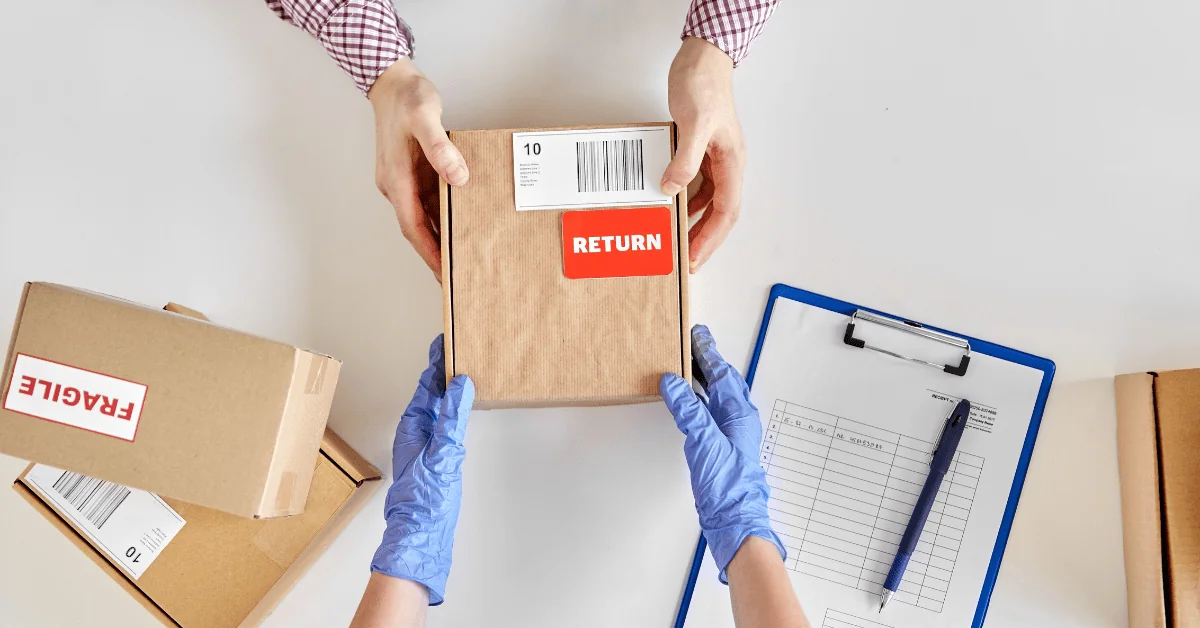
Returns fulfillment-related services have never been a bigger part of ecommerce and the associated logistics providers’ business considerations. Consumers are increasingly making their purchasing decisions based on the ease of any potential returns they may have from a given order. Apparel retailers specifically have seen over 20% of their orders being returned. Capturing as much possible value from returned items is key for maintaining profits and data from returned items can help retailers fine-tune product offerings to further improve their customer experience.

While there are a host of strategies that retailers and 3PL providers alike can implement to optimize their returns fulfillment, there is also a rising industry of returns consolidators who specialize in optimizing the returns process for all parties involved. Some of these companies are utilizing pioneering new models to maximize the recaptured value of returned items and to minimize the downsides of returns like wasted items and environmental impacts.

Learning from the innovations that others are bringing to returns is key in deciding which options are best for retailers and their customers, and in the industry as a whole continuing to adapt and provide the best service possible.

Happy Returns: Making customers’ lives easier while lessening environmental impacts

The traditional returns process can be daunting for customers. Holding onto all the labels and packaging in the event of a potential return is a hassle that takes up storage space. Printing return labels, properly repacking items, and making sure returned items go to the right place are all burdens on consumers that could cause them to give up and look to a different retailer next time.

Items that are returned take longer to get back to inventory shelves and retailers have to spend extra time confirming that returned items haven’t been damaged before they can refund customers or send a replacement item.

Happy Returns has found a new way to streamline this process to make it as seamless as possible and to maximize value capture from returned merchandise. The innovation starts with a network of “return bars” at brick-and-mortar locations where customers can bring unpackaged, unlabeled items for return with nothing more than a QR code provided directly by the retailer through a Happy Returns empowered portal. Customers get the added convenience of not having to worry about repacking items properly. They are also able to, within the returns process, opt for an exchange with the same item in a different size or color rather than waiting for a refund and initiating a new purchase. All of these lower the barrier for returns and secondary purchases, building loyalty to the brand and increasing the likelihood of more purchases.

Retailers also have access to customization options. They can offer incentives to opt for store credit over cash refunds. They can also set separate windows for returns vs. exchanges, further incentivizing them to spend more money with the original retailer.

The environmental benefits of this model go far beyond removing the requirement for printing labels and boxing return items. Collecting returns at centralized hubs means that multiple returns get grouped together, palletized, and shipped in bulk, drastically reducing transportation-related carbon emissions. Happy Returns also utilizes reusable totes instead of single-use cardboard boxes for their return shipments, saving 120 thousand pounds of carbon emissions per 1 million returns.

Customers increasingly look to spend their money with companies that demonstrate values that match their own. By optimizing the sustainability of returns fulfillment, Happy Returns allows them to show their customers that minimizing their carbon footprint is a key concern.

All of the consolidation and optimization also minimizes costs for the retailer. Paying for returns by traditional mail leads to retailers overpaying by 21% on average for returns when a majority of those returns are due to a simple size issue. Happy Returns accomplishes all of this by not only consolidating the physical returned items but also consolidating the entire return and reordering process into a single interaction.

Loop Returns Fulfillment: An exchange experience just like shopping

Loop Returns is all about making a return experience that maximizes the likelihood of the returned item being exchanged for another from the same retailer. As online orders continue to be the go-to for holiday season gift shopping, the likelihood of people receiving gifts or other items that might not be exactly what they are looking for grows. Loop Returns is designed to make those return customers more likely to exchange those not-quite-right purchases for something else rather than asking for a refund.

The process starts with the customer initiating the returns process. The entire process can be completed without the need for any retail/customer service staff. Their entire order is displayed with eligible return items highlighted.

Exchanges are incentivized at every turn. Customers are first encouraged to initiate an exchange before offering a refund, first showing the other available sizes and colors that can be immediately exchanged in an interface that is identical to the original shopping experience, with images, sizing guides, and inventory levels all readily viewable.

Throughout this process Loop is also constantly collecting data about the return. Not just cataloging when an item is exchanged for a size up or down, but also asking the customer more detailed questions about why they weren’t satisfied.

When customers do select the refund option, Loop provides retailers the option to offer further incentives like additional store credit or to opt for an exchange instead. The biggest push towards exchanges comes in the form of making the exchange process as identical to online shopping as possible. As they are completing the return initiation, they can view the entire catalog as if they were simply shopping, only they don’t have to spend any additional money. Shoppers check out just as if they were shopping, but while applying the value of their return to the new purchase. Upsell revenue is captured immediately if they select a more expensive item. If the new item is cheaper the remainder can then be passed on as a refund or store credit. This keeps revenue from the original sale in the hands of the retailer and gets the new item to the customer faster, only requiring further payment if the return item isn’t sent back within the required window.

Only after the process is completed, and the exchange item is already on the way, does the customer need to bring their item to one of many returns locations with a simple QR code to confirm the item is on its way back.

Tailored returns fulfillment is increasingly the norm across the industry. Optimizing this process is key to ensuring that customers remain customers and spend their money on something they do want. Maximizing the efficiency of the process retains value for the retailer while cutting down on environmental impacts. This process of innovation will only continue; retailers and logistics providers alike should look to those on the forefront to make sure they are offering their customers the best possible service.

While returns fulfillment is critical, the integration of efficient returns processing systems cannot be overlooked, as it ensures a seamless experience for both customers and retailers.

Categories
eCommerce Guides

Balancing Customer Loyalty in an Age of Growing Business Costs

Reproduced from an article in Retail Touchpoints.

Retail Touchpoints article from Boxzooka on Customer Loyalty

Since 2020, the global economy has sat on pins and needles as the fallout from COVID-19 rippled through 2021, 2022 and 2023. But the resilience of the American consumer prevented an all-out economic disaster. Time and time again, consumers kept the economy chugging along despite the bleak forecasts from leading economists. Early on, they were powered by pandemic relief checks from the U.S. Treasury, but even as that money faded, lockdowns hurt retailers and inflation took hold, consumers took it in stride and kept spending.

Consumers again and again have propped up the economy, fueling consistently strong growth in ecommerce and giving the retail industry an important edge in otherwise dark times. Those forces from the days of the pandemic look to continue well into 2024 as stubborn inflation and higher interest rates continue to burden brands and retailers, which are faced with the unenviable task of balancing increasing costs with what consumers can bear.

Still Carrying the Economic Burden of COVID

While their resilience throughout the last four years has been somewhat of a modern marvel, the endurance of the American consumer is not infinite.

Inflation isn’t expected to go away in 2024, although its effects are expected to be more modest than in 2022, for example, which saw an inflation rate high of 9.1%. The latest numbers show inflation was up by 3.2% in February 2024, an increase from 3.1% in January. Higher costs will undoubtedly continue to dog businesses well into this year as inflation continues to be a factor.

For consumers, the numbers shake out in a similar way. Moody’s chief economist noted that the typical American household in July 2023 spent about $202 more per month than they did a year earlier and an astounding $709 more per month than they did two years earlier. Unfortunately, this is how inflation lives on, year over year.

While the economic burden of COVID is waning, it’s still burning hotter than anyone would like, and consumers are still feeling the effects. Those same pressures that are hitting families across the country also are hitting business with higher costs.

Higher Costs All Around

The only thing that is truly certain as we continue on the long slog from the pandemic is that this year once again offers plenty of uncertainty. Most fashion industry leaders have recognized this, backed up by the expectation of more subdued growth in the economy, stubborn inflationary pressures and shaky consumer confidence, which eroded again in February.

On top of this, it continues to be more and more expensive to conduct business in the retail sector. It’s a tough situation to be sure, as there are few options other than increasing prices.

But there is a way forward, a balance that allows for costs to be recovered and keeps base customers happy and loyal.

Balancing Costs and Customer Loyalty

Most customers have been more than forgiving and mostly understanding toward their favorite brands and retailers, while maybe just a little annoyed. As costs rise, so do prices, and Americans have been largely undeterred. Don’t expect this to last forever. The deeper in we get, the more likely it is that patience will run out.

Think about it. By itself, living paycheck to paycheck with a couple of kids, a mortgage and a car payment or two is no small task. Add in an extra $3,000 a year for the everyday necessities of life, year in and year out, and it won’t be long before many have had enough and decide to limit their discretionary spending.

For that reason alone, every additional penny that is asked of customers should be put through a rigorous test. Never unilaterally hike prices. Customers expect that before a price increases, a thorough process has been undertaken to make sure the increase was needed. Here are some things to consider when it comes to protecting customer loyalty:

  • Be transparent: Be open and honest with customers about the reasons for the adjustment. Explain the effect of rising costs of raw materials, operating expenses and other factors impacting the business.
  • Evaluate and minimize: Assess those products most sensitive to price hikes and prioritize them, minimizing upward adjustments on core/essential items that customers value the most. Shift pricing increases toward less popular or less essential items on the product list.
  • Mind your value prop: While staying true to the brand promise, look for ways that the core value proposition for customers can be enhanced in order to justify price increases. This can include things like new product features, improved quality and better customer service.
  • Segment and target: Tailor pricing strategies to different customer segments based on willingness to pay, preferences and purchasing behaviors. Consider customer loyalty programs, discounts or targeted promotions to reward loyalty.
  • Diversify payment options: Provide flexible payment options, including “buy now, pay later” options, which are especially helpful with higher ticket items; and
  • Customer feedback: Ask for feedback from customers throughout the pricing adjustment to gauge their reactions, understand their concerns and identify areas for improvement.

These areas won’t address every customer’s discontent over higher prices. That’s more “pie in the sky” than anything else. Instead, the idea is to show them the reality of the situation through transparency while keeping yourself honest with regard to every aspect of the pricing structure. Above all, be grateful for their loyalty.

For all the positive indicators in the economy today, there are just as many that point to uncertainty remaining in the year ahead. The cost burden on business isn’t going away, so a strategic approach to solving this problem is needed.

Consumers have done enough; they’ve shouldered their share of the burden and they long for easier times. Being thoughtful in how this problem is fixed should be at the core of how we respond.

Tom Behnke is an advisor for Boxzooka as well as VP of Sales and Marketing. A strategic executive with a rich history in leadership, general management, team development and client engagement, Behnke is an eternal optimist with a results-oriented approach to all initiatives across both large organizations and startup companies.

By Tom Behnke

Categories
eCommerce Guides

How Retailers Can Keep Growing Returns Costs in Check

While most retailers have recently recorded a decline in returns, the cost burden is still big, and many retailers are increasingly looking for ways to reverse course even further.

It’s retail’s unavoidable story, especially e-commerce: For each percentage of growth in sales comes more returned items from customers. It’s the double-edged sword that keeps getting sharper, year after year.

And while to some, the 2023 holiday retail season may seem already far away in the rear-view mirror, the true picture of the most recent season of holiday returns is only now becoming clear. The end of January marks the unofficial close of the preceding holiday retail season with the final act of returns. 

The National Retail Federation (NRF) expected holiday returns for 2023 in the U.S. to total around $148 billion compared to $171 billion for the 2022 holiday season, $151 billion during the 2021 holiday season, $101 billion in 2020, and about the same $100 billion for the 2019 holiday season.

While the rate of holiday returns year-to-year may be on the decline for the first year since the pandemic, these numbers fail to tell the whole story. In 2019, before COVID-19 upended consumer buying habits, retail returns for the entire year stood around $309 billion, or 8.1% of total retail sales. They peaked in 2022, more than double that 2019 figure, at $816 billion for the year or 16.5% of sales. In 2023, the total returns declined for the first time in years, at $732 billion or 14.5% of total retail sales.

So, while most retailers have recently recorded a decline in returns, the cost burden is still big, and many retailers are increasingly looking for ways to reverse course even further.

How pandemic changed returns game

It’s hard to believe that it’s been a little over four years since the pandemic changed things forever. Back then, lockdowns and distancing turned ecommerce into the next best option to in-person shopping. From there things took off. According to the NRF, before the pandemic retail growth in 2019 the year-over-year growth in e-commerce was at 3.5%; then in 2020 it jumped to 7.6%, then to 14.4% in 2021, and back to 7% in 2022. Growth in 2023 was expected to drop again to somewhere between 4% and 6%.

COVID’s enduring change to retail is reflected the most on the e-commerce side. It drove millions of consumers to online shopping, who would have otherwise hit up bricks and mortar shops. And while the rate of year-to-year growth may be slowing, there’s a huge new contingent of loyal e-commerce shoppers that won’t give up the new-found ease of digital shopping any time soon.

E-commerce has always been saddled by the returns problem. The more people shop virtually, the more likely they are to return items they couldn’t try on or “test” out before making the purchase. With the new pandemic “crop” of e-commerce consumers, returns will only become more problematic for those retailers that fail to optimize this side of their business.

It’s no longer a seasonal chore where the biggest hit comes during the holidays. Today, for a thriving e-commerce business, returns must be viewed as a year-round, always-on business strategy.

High costs = more restrictive policies

In 2022, for every $1 billion in sales the average retailer lost $165 million in returns, a number that gets bigger and bigger with each passing year. The pandemic saw a lot of returns policies eased, but as the emergency faded, retailers have increasingly looked for more ways to reduce their burden.

The expenses associated with accepting a returned item can oftentimes exceed the item’s resale potential, with shipping costs eating up a huge chunk of that value. Add on top of that the cost of manpower for processing and other key actions within the returns pipeline, it’s no wonder retailers are looking for better options.

Some have implemented fees for returning items while 58% of retailers went to “returnless” or “keep it” returns protocols in 2023. Others are offering store credit in lieu of refunds and some are encouraging shoppers to bring unwanted items back to the physical store. It’s a tricky balance, keeping customer loyalty front and center while putting stronger policies in place to right size the business. Thankfully in the world of retail, customer loyalty isn’t exclusive of a restrictive returns policy.

So how do we balance these business needs while maintaining strong customer relationships?

Maximizing returns at crunch time

For all the tips that can be covered in this context, one thing stands out: Getting returned merchandise through the system quickly and back to stock for potential resale is paramount. For this reason, returns need to be treated with the same urgency as outbound orders.

Focusing on “forward fulfillment” is the key to achieving this velocity, especially when it comes to the annual crush of holiday returns. This means having a strong third-party logistics (3PL) partner that can help manage returned goods, redirecting them to a new destination for processing, repackaging, and resale. Streamlining the returns process in this way, reducing transportation costs, and speeding up the return-to-market cycle, is the end game. Certainly, retailers can achieve this on their own, but a strong 3PL eliminates the hassle and gets it there quicker.

There are other things retailers can do, too: 


      • Be prepared: Preparation is key for success during the hefty return season after the holidays. Planning for an influx is critically important. This means having a clear and efficient returns process, which includes a dedicated team to handle returns, a clear returns policy, and a streamlined system for processing returns. 

      • Analyze the data: It’s essential to understand why the product is being returned in the first place. Analyze the data on returns to identify patterns and trends. This can help businesses understand the reasons for returns and take additional steps to address them. 

      • Communicate with customers: Communication is key when it comes to handling returns. Shoppers expect transparency during the returns process and to be kept informed. Communication builds trust and loyalty, giving customers confidence that your business will take good care of them. Having the proper tools and a robust returns plan will alleviate future problems. Make sure customers know what to expect.

      • Automate where possible: Automation helps streamline the returns process and can reduce the burden on staff. Simple tools can include using barcode scanning or RFID technology to track returns, automated emails or SMS texts to keep customers informed, and analytics tools to identify return trends and patterns. 

      • Look for opportunities: Businesses constantly evolve to improve the customer experience. In December 2023, DoorDash and Uber announced a new service: a return Package Pickup service that lets a driver pick up one to five packages from the customer’s doorstep and drop them off at a FedEx, UPS, or USPS location for them. Ensure your customer knows every convenience imaginable to guarantee you’re providing the best customer service possible. 

    While returns remain a significant challenge for online shoppers and stores alike, they can also be an opportunity with the right approach that addresses returns all year round. By being prepared, analyzing the data, communicating with customers, looking for opportunities, and automating where possible, online retailers and stores can handle returns efficiently. More importantly, focus on the relationship you’re building with your warehouse fulfillment center or 3PL. They’re your secret weapon in handling returns easily while building customer trust and loyalty. 

    In just a few short months, the ramp up to the 2024 holiday season will begin. Now is the time to review your returns protocols, take a deep dive into the 2023 season’s data, and build a more efficient system for the season ahead.

    By Tom Behnke

    Categories
    eCommerce

    Ecommerce Quandary, Fixing the Returns Problem

    Ecommerce is a blessing and a curse in the world of retail. While it’s played a key role in the overall success of retail in recent decades, it’s also saddled the industry with a growing returns problem. For every percentage growth in sales, more items are returned by customers.

    As the 2023 holiday season’s returns tallies become more clear, we’re reminded again of the importance of having a good plan in place to limit the negative financial impact that returns impose. Holiday returns for 2023 were expected to total about $148B, according to the National Retail Federation, NRF. That’s compared to $171B for the 2022 holiday season, $151B during the 2021 holiday season, $101B in 2020, and about $100B for the 2019 holiday season.

    Returns related to the holidays seem to be on the decline for the first time since the pandemic, which is good news, but that doesn’t tell the whole story. Before COVID and the lockdowns completely shifted consumer buying habits in 2019, retail returns for the year stood around $309B, 8.1% of total retail sales. Returns hit their high watermark in 2022, more than doubling the 2019 number, at $816B or 16.5% of sales. 2023 saw the first decline in total returns in years, at $732B or 14.5% of total retail sales.

    Despite that recent decline, the cost burden isn’t shrinking, leaving many retailers to find ways to reverse course.

    The Pandemic Effect

    Nearly four years ago to the day, the pandemic and the multiple lockdowns took their big swing and changed things forever. As terrible as it was, it was a boon for ecommerce. Lockdowns and distancing turned people away from bricks and mortar to ecommerce, the safest option for in-person shopping.

    Prior to Covid, retail growth in 2019 stood around 3.5%, jumping to 7.6% the next year, then 14.4% in 2021, and back to 7% in 2022. Growth in 2023 was expected to drop again to somewhere between 4 and 6%.

    The lasting effect of the pandemic on the retail universe is most reflected in ecommerce, as millions of consumers adopted online shopping. This created a very large new group of loyal ecommerce customers; they won’t be giving up this new-found ease of shopping any time soon, and they’ll keep the returns conundrum rolling for years to come.

    Returns have always been a negative in ecommerce, the more we shop online, the more likely it is we’ll receive an item that doesn’t fit, or just doesn’t meet the “mark” since we couldn’t try it on or try it out. 

    Tightening Returns Policies to Lessen the Blow

    Returns are no longer a seasonal endeavor, with the biggest hit coming during the holiday season. Today, returns must be viewed as a year-round problem, answered with an “always-on” business strategy.

    For every $1B in sales the average retailer lost $165M in returns in 2022, a figure that is ever-growing. During the pandemic, many eased returns policies. Then, as the emergency started to fade, retailers started looking for ways to recover some costs from returned items. The expense of accepting a returned item can be more than the resale potential of that item. Shipping costs also certainly eat up a major piece of that value. Then, add the cost of manpower to process those returns and other key actions within the returns pipeline; it should come as no surprise that retailers are looking at all avenues to right-size this problem.

    About 58% of retailers moved to “returnless” or “keep it” models for their returns. Others have put fees into place to cover some of those costs. Some are offering store credit instead of refunds, while others are asking customers to bring returns back to the physical store instead.

    All of this has to be done while keeping customer loyalty the overriding priority. Putting more strict policies into place has to be done in a way that doesn’t alienate customers. The good news is that, in the retail world, customer loyalty isn’t exclusive to a restrictive returns policy.

    Maximize Returns Operations, Lower Costs

    One thing above all others stands out as far as preserving the value of a returned item. Moving returned items through the system quickly and back into stock for resale is vital here. Retailers that treat returns with the same urgency as outbound orders will realize the benefits.

    For so many, this can be difficult at best. That’s why having a great 3PL partner, one tasked to manage returned goods and managing the process in an expedited manner, is absolutely essential. Streamlining the process in a way that reduces transportation costs and accelerates the return-to-market cycle should be the ultimate goal.

    This is where the expertise and experience of strong 3PLs like Boxzooka can make all the difference, getting rid of the hassle and decreasing the negative cost. But there are plenty of simple things any ecommerce company can do today:

    • Be prepared: Plan for the influx; being prepared is key to success, especially during the hefty returns season after the holidays. It’s never too early to plan and make sure the returns process is clear and efficient, which can include dedicated teams to handle returns, clear returns policies, and a streamlined system for processing returns. 
    • Pre-empt Returns: Provide tools and information that reduce the chance an item will be returned in the first place. Things like online “sizing” tools, customer feedback with reviews about sizing, sizing charts, and plenty of product imagery as well can reduce the chance a customer’s order won’t “meet the mark.”
    • Analyze the data: Understand the trends! Knowing why something is being returned in the first place can lead to discovery when data is analyzed in a way that identifies patterns and trends. This can allow retailers to take additional steps in a customized approach.
    • Communicate with customers: Today’s shoppers increasingly want transparency from retailers, especially during the returns process. Keeping them informed and knowing what to expect goes a long way in making up for fees or other policies meant to reduce cost burden.
    • Automate: Streamlining the returns process with the use of automation can be a major aid to staff. Simple tools like barcode scanners, RFID tech to track returns, automated messaging to keep customers in the loop, and tools to analyze data and trends, can be an ecommerce retailer’s best friend.
    • Find New Opportunities: Ecommerce companies should constantly evolve by finding new opportunities to improve the customer experience. Whether it’s new technology or a new concept, be in the know so you can leverage the latest and greatest!

    Returns are, no doubt, a significant challenge, especially after the holidays. But, with the right approach that addresses this as a year-round problem, it can be a great opportunity. For ecommerce retailers that are prepared, are constantly looking for trends and new discoveries, communicating/updating customers inside the returns process, and automating where it makes sense, tackling the returns problem and ultimately reducing the cost burden is within reach.

    Most importantly, focus on the relationship you’re building with your warehouse fulfillment center or 3PL. They really are your secret weapon!

    It won’t be long before we’re in the midst of the ramp-up to the 2024 holiday season. The time to review your returns protocols, review the 2023 data/trends, and build a more efficient system for the next season is now!

    By Tom Behnke

    Categories
    eCommerce Fulfillment

    Same-day Delivery Expectations are Growing. How Can Online Retailers Compete? 

    Same-day delivery has been around for a while – think flowers, Dominos, and auto parts. UberEATS, DoorDash, and your local grocery store dramatically expanded the same-day food delivery sector during the pandemic. And, thanks to Amazon, Target, and Walmart, people are receiving more than food every day to their front door. 100 million Prime members in the USA are spoiled with same-day options on virtually anything. Forgot a birthday? No problem, let’s see what we can get today.  

    These heightened consumer expectations make it difficult for online brands and retailers to compete. Most eRetailers have a “same day shipping” option with a cut off time for purchases to be packaged and shipped using an overnight ship method (FedEx, UPS, DHL) to arrive the next day. Expensive, but effective and a cost that the consumer can choose.

    It is worth noting that a customer may incorrectly view same-day shipping and same-day delivery as one and the same. These mistakes are easy to make, particularly with orders placed on mobile devices (+50% these days). It is important to make the delivery promise distinction clear at checkout so there is no confusion. Transparency is a best practice to help build customer loyalty. 

    Same-day delivery options are less common for most online retailers and can be expensive. Amazon Prime is $139 per year – not free, but it feels like it when the option for same-day delivery pops up. In major metro areas in the USA, a handful of same-day couriers are available (check Google in your area). In most cases, these services cater to high-value items with a limited delivery area.    

    Here are a few of the best practices for online retailers to consider to meet the rising consumer expectations. 

    Offer Fast Shipping or Free Shipping – Not Both

    eCommerce retailers can offer fast shipping options on every order as long as fulfillment operations are capable of shipping on the day the order is placed. Retailers generally offer Free Shipping at a price point that makes sense for the order value. Consumers understand these choices and are more tolerant of slower delivery when they get a “deal.” Setting expectations for the delivery date is important, and providing an expedited shipping method for a premium is a common practice. 

    Prompt Delivery Updates and Tracking Information

    Retailers are motivated to provide consistent and reliable updates to order status and delivery updates. Mobile purchases are the routine and naturally demand a steady flow of tracking messages. When presented effectively, order updates and tracking information are positive experiences that enhance your brand. For example, getting your company’s order tracking information via UPS or FedEx does not promote your brand as much as the carrier’s brand. There are methods for presenting tracking information in a window with your branding and messaging.  

    Retailers that are not providing enough updates can be disappointing customers and opening the door to negative reviews.  

    Optimized Warehouse Operations

    Managing a productive warehouse operation or having a top-tier 3PL is necessary for meeting the expectations of today’s e-commerce shoppers. Warehouse operators must have their buildings optimized for workflow to minimize order processing time and get orders fulfilled accurately. There are dozens of opportunities for leveraging automation in fulfillment operations to streamline repetitious processes for material handling, packaging, and shipping. Same-day order processing has become the industry standard, which means people, processes, and technologies have to work flawlessly every day.  

    Leverage Technology Wherever Possible

    Today’s consumers have high expectations for quick answers and clean websites and apps. Having your technology platforms and partners effectively integrated is important to providing real-time updates and positive user experiences. Brands need to be thoughtful about what technologies (e.g., OMS, barcoding, AI, WMS, TMS) are integrated into fulfillment and transportation processes to enhance accuracy and speed.  

    For instance, have you considered implementing route optimization software for delivery efficiency? There are several sophisticated Transportation Management Systems available to help manage the complexity and costs of shipping methods.  

    Regional Distribution Centers Reduce Delivery Time and Expense

    Having your products closer to your customers naturally cuts down on shipping time and expense. For most customers, 3-to-5-day delivery times are acceptable. Distribution Centers positioned for East Coast and West Coast order fulfillment can leverage less expensive transportation services and make the delivery promise.  

    There are several important techniques for managing inventory to optimize your distribution network. Brands with low numbers of SKUs can manage split inventory with fewer complications than brands with high SKU counts. The goal is to make sure the majority of your products are fulfilled completely from the “local” warehouse and avoid any split shipments (one item from one warehouse and one item from another warehouse).  

    Continuous Improvement

    What mechanisms are in place for regular evaluation and improvement of fulfillment processes? How do you gather feedback from customers to enhance the overall delivery experience? Are your operations positioned to scale with the business? Having a continuous improvement mindset is a necessity to keep meeting customer expectations while controlling costs.  

    Addressing these questions, businesses can develop strategies to not only meet but exceed customer expectations in this world of same-day delivery and information at your fingertips. 

    Boxzooka is a quality-focused 3PL with great technology, lean operating processes, happy clients, and a vibrant culture.  

    By Tom Behnke

    Categories
    eCommerce

    What’s The Deal With “Black Friday?”

    Shoppers in America christened the Friday after Thanksgiving as “Black Friday” long before the internet and eCommerce began to dominate the retail world. This year will be no different. However, the phenomenon is not a single-day experience – and it’s not just an American event. Here’s a quick look backward and forward on Black Friday and its impact on retail shopping in general and eCommerce specifically.  

    Going way back to the 17th century (that’s 1600 to 1699), there was a saying referring to “Black Friday” as the “day on which an examination is held.” No kidding. Leave it to students to coin a new phrase with some slang. 

    In 1869, according to the History Channel, Black Friday was used to describe the gold market crash on Friday, September 24. Obviously, neither of these historical references had anything to do with shopping. 

    Post WWII in the 1950s, the day after Thanksgiving was becoming a big shopping day in the US, with people packing into stores for “deals” on Christmas presents. The police in Philadelphia started calling the day Black Friday because of all the chaos they had to deal with, shoppers crowding into stores and sometimes getting unruly. There is no reference to Eagles fans in this research, but the annual Army v Navy game the Saturday after Thanksgiving did contribute to some of the overcrowding.  

    On a related note, some retailers described going from “being in the red” – accounting-wise – to “being in the black” with the surge in buying gifts. True enough that for years, many retailers have been banking on a good holiday shopping season to cover the leaner times throughout the year. This also has a more positive connotation for “black,” right?

    The Black Friday shopping event was catching on, and along came the internet and the ecommerce retail bonanza. Since the turn of the century, eCommerce retail spending has risen continually with year-over-year increases in online revenues, while traditional brick-and-mortar retailers have seen modest growth at best. Naturally, online retailers began promoting “Black Friday Sales” events well ahead of the day. The months of November and December have become a powerful selling season for brands and retailers, and shoppers are well-prepared and trained to find bargains.  

    In the early 2000s, the speed and reliability of internet connectivity was sketchy in many areas ( if you remember). A new phenomenon began when people started utilizing their faster connections at work to do their shopping, and, voila, Cyber Monday was born. Credit the NRF, National Retail Federation, for coining the term. And every year since then, the Monday following Thanksgiving sees a spike in revenue and online traffic. The dramatic increase in smartphones and mobile devices since 2008 has opened the door for “always on” retail promotions and access.  

    The term “Cyber Five” hasn’t caught on as well – referring to the five days from Thanksgiving Thursday to Cyber Monday. Regardless, these web-based shopping trends continue to expand globally and have led to many more marketing techniques to entice shoppers. Christmas in July, Singles Day, Prime Day, and the like have created anticipation and a following on the same wavelength as Black Friday.   

    Let’s hope that these trends are for the greater good of retailers, manufacturers, supply chain businesses, consumers, and the population in general… after all, it is the season for giving.  

    Tom Behnke

    Advisory Board Member

    Boxzooka

    Boxzooka is a quality-focused e-commerce fulfillment company with great technology, lean operating processes, happy clients, and vibrant culture. www.boxzooka.com 

    Categories
    eCommerce News

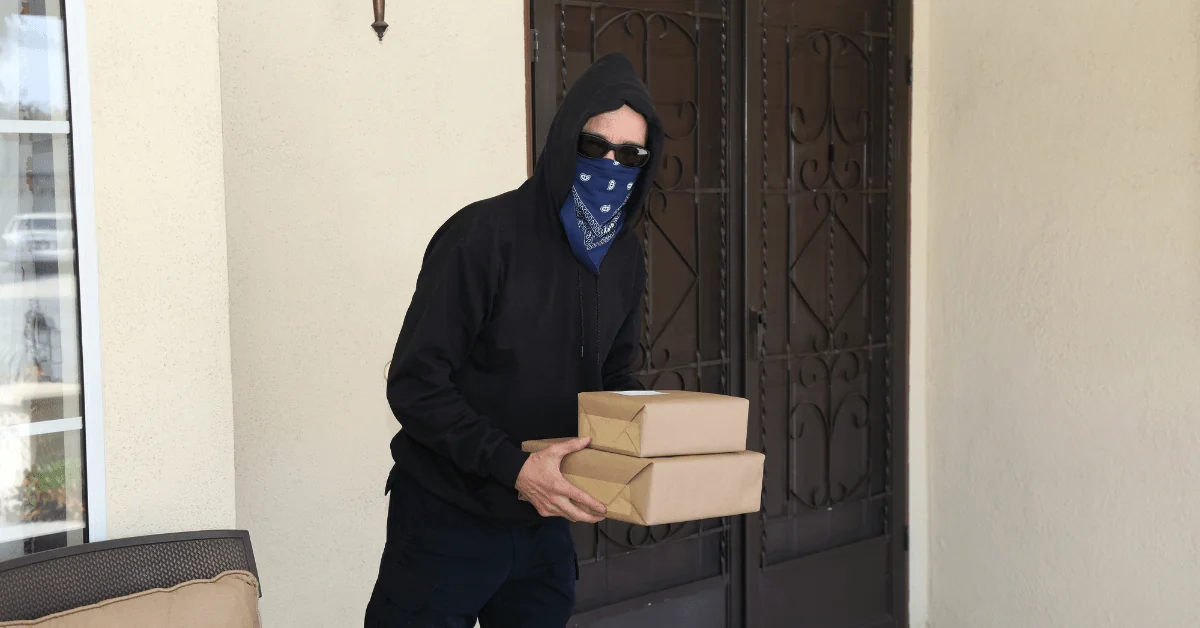
    Porch Pirates on the Prowl This Holiday Season: Here’s How to Outsmart Them

    Your package tracking app reports, “Delivered,” yet there’s no trace of the package by the front door. Has your parcel fallen prey to porch pirates? You’re not alone. According to a survey by C+R Research, about 14% of Americans have had packages stolen by the now-infamous porch pirates.

    As consumers prepare their homes for the holidays, porch piracy poses an unfortunate threat to both online orders and the Christmas spirit. Many families look forward to decorating their homes with lights and inflatables, dressing up their trees with ornaments, and hiding gifts under the branches.

    According to C+R Research, 22% of households have had two packages stolen, while 11% lost three or more packages to these scallywag’s. That amounts to millions of thefts nationwide when more people than ever are relying on e-commerce for holiday gifts and necessities.

    U.S. Cities With Highest Parcel Theft

    The risk of porch piracy isn’t equal everywhere. An analysis of FBI crime statistics by Safewise found the highest rates of package theft happen in larger, more densely populated metropolitan areas.

    Seattle has the dubious honor of being number one, with 6.1 package thefts per 1,000 people. Other cities topping the list included San Francisco (5.9), Portland (5.6), and Los Angeles (4.9).

    Rural areas tend to see lower incidences of porch piracy. The lowest rates were in locations like Rapid City, South Dakota (0.2 thefts per 1,000) and Bismarck, North Dakota (0.3).

    Wherever they happen, these thefts collectively add up to substantial financial losses. On average, each stolen package is valued at around $112.30. The most commonly stolen packages are from Amazon, containing clothing, followed by books, toys, health/ personal care products, and groceries.

    What Attracts Porch Pirates

    What attracts the attention of porch pirates most? According to Brendan Heegan, CEO of Boxzooka, a leading fulfillment company, the top factor is flashy branding on packaging.

    “The number one thing that draws thieves is big and colorful logos or labels on the outside of boxes and mailers,” says Heegan. As a company that works with retailers to enhance supply chain and warehousing, Boxzooka has insight into what makes parcels enticing targets.

    Heegan’s advice? “Use generic outer shipping packaging to cover up any branding. Make the shipment look as boring and unappealing as possible to thieves.” Concealing prominent logos and labels helps prevent deliveries from standing out and catching the eye of opportunistic criminals on the prowl.

    10 Ways to Outsmart Porch Pirates

    Consumers must take precautions to ensure their preparations and presents are not ruined by theft. 

    • Opt for delivery to your workplace. Fewer packages sitting unattended at home means fewer opportunities for thieves. Consider asking neighbors if packages can be delivered to their homes if you know you won’t be home.
    • Require a signature for delivery so packages aren’t just left on the porch. However, requiring signatures can delay delivery if you’re not home.
    • Invest in a doorbell camera or outdoor security camera so any theft can be captured on video. Popular brands like Ring and Nest are relatively inexpensive deterrents. Consider multiple cameras covering multiple angles for complete protection.
    • Use a secure parcel drop box. Products like Loxx Boxx bolted to the home provide a safe space for couriers to leave deliveries out of sight from thieves.
    • Opt for the added security of Amazon Lockers or UPS Access Points for your packages. The use of these lockers is often free with their delivery services. If these aren’t nearby, explore having deliveries sent to your local grocery or pharmacy for a secure alternative.
    • Sign up for carrier text or email alerts so you know the exact delivery time and can try to be home. Work from home or have a friend pick up packages if you can’t be there.
    • Consider installing motion-activated lights around the perimeter of your home. Bright lights can scare off thieves looking to sneak up under the cover of darkness.
    • Fill out a vacation hold with your local post office so packages don’t accumulate if you’re away. Ask neighbors to keep an eye out and secure any deliveries as well.
    • Buy insurance when ordering more expensive items online. Look for the insurance offered by the vendor or delivery service, which may cost a few extra dollars. 
    • Buy online, pick up in-store. For more expensive items, collecting your item personally from the store may be the best method to avoid porch piracy.

    What To Do if Your Parcel Is Stolen

    If you become a victim of porch piracy, there are important steps to take.

    • Contact the delivery company immediately to report the theft and file a claim. Major carriers like UPS and FedEx offer insurance for lost or stolen packages.
    • File a police report. While packages may be a low priority, having a record of the theft could help if the criminal is caught. It may also qualify you for reimbursement from your renters’ or homeowners’ insurance.
    • Check with neighbors to find out if the package was mistakenly delivered to the wrong address. Thieves often target entire blocks.
    • Monitor local buy/sell sites and Craigslist in case the stolen goods are being resold locally. Collect evidence to provide to police.
    • Consider installing security cameras around the home as a preventative measure going forward. Video doorbells and outdoor cameras have helped identify culprits in many package theft cases.

    Taking prompt action is key to recovering lost items or getting reimbursed when falling victim to a porch pirate’s crimes. Remaining vigilant is the best ongoing deterrent against this type of theft.

    As online shopping booms, so do criminals’ attempts to steal unattended deliveries. Being vigilant and using common-sense security measures can help ensure packages arrive safely this holiday season.

    By Tom Behnke

    Also published on Media Decision.

    Categories
    eCommerce Fulfillment

    Unlocking the Benefits of a Streamlined Returns Process

    A critical component of your ecommerce business

    Processing e-commerce returns is an essential part of online retail, and both online retailers and 3PLs must have effective strategies to handle returns. Apparel retailers can have returns rates exceeding 20% of the outbound order volume. The associated costs of shipping and handling returns can have a major impact on the overall success of the business.

    Here are some strategies to consider as you’re developing your solutions for efficient returns processing for your e-commerce warehouse:

    1. Make the Returns Process Easy: Simplify the returns process for customers by providing clear instructions and making it easy to initiate a return. In fact, many shoppers base their buying decisions on the ability and convenience of the Returns Policy. These tactics can help reduce customer frustration, improve their experience, and create long-term value.

    Some retailers insert a pre-printed return label with every order. This is obviously convenient and provides the client with an easy method for returning the goods.

    An RMA (Return Material Authorization) process asks the client to verify their return. This extra step can provide some reasons for returns and allow options for exchange or refund, as well as printing a return label.

    2. Provide Transparency: Provide customers with regular updates on the status of their return, from receipt to refund or exchange. There are several viable methods for processing credits/refunds based on a scan of the return label – customers love a fast refund. If this fits your strategy, it can help build trust with customers and reduce the likelihood of negative reviews.

    3. Inspect Returns Promptly: Inspect returned items as soon as possible to determine their condition and eligibility for a refund or exchange. It is best to identify a problem with a return quickly and not create a backlog of returns to process. Leveraging good technology for tracking returns at every stage also identifies product issues and can be valuable in navigating any disputes.

    4. Restock Returned Items Quickly: Restocking returned items as quickly helps minimize the impact on inventory and improve cash flow. This requires efficient processing and warehouse management, WMS, and systems that make products available for resale in real-time.

    5. Monitor and Analyze Returns: Track and analyze returns data to identify trends and potential issues. This can help retailers improve their products, processes, and customer experience over time. Retailers can use the learnings from this information to help to reduce the overall number of returns. Some examples include providing more product information about sizing and client reviews to avoid selling the wrong items in the first place.

    6. Outsourcing Returns to a Consolidator:

    There are numerous “returns consolidators” that are available for retailers to consider. These services can provide value for both the retailer and the consumer. Generally, integrating with consolidators is not a heavy lift. Returns Consolidators have given retailers more options for returns processing, and they relieve some of the burden on internal resources.

    By implementing effective returns processing options and strategies, online retailers and warehouse fulfillment companies can improve customer satisfaction, reduce costs, and increase efficiency. Boxzooka returns processing technologies combined with our lean operational workflow empower our clients to get their products back into sellable condition quickly. Boxzooka welcomes the opportunity to work with you on a returns process that is tailored to your brand and your clients.

    By Tom Behnke

    Categories
    eCommerce Fulfillment

    Client Success Teams Add Value for eRetailers

    eRetailers depend on their 3PL to keep their promises to customers. Every order is important, and you’re only as successful as your satisfied customers believe you are. Having a Client Success Manager and Team that cares about your business is valuable for the little issues and the big picture.

    Some of the biggest and most powerful fulfillment warehouse companies have difficulty being responsive, flexible, and available for eRetailers, particularly those in the early stages of building a brand and a clientele. It can be hard to get a hold of a live person when you need answers and updates. Retailers can’t afford to watch over every aspect of their inventory, order processing, and returns business.

    Traditional Account Management organizations within multi-client facilities have a handful of account managers responsible for dozens of different companies. 3PLs can’t afford to have clients contacting operations people directly and account managers are intended to bridge that gap. When activity scales up, this workflow naturally causes delays, challenges, and frustration.

    Client Success Strategies built to meet retailer expectations 

    E-commerce retailers need access to information from their 3PL without having to write emails, send texts, or call someone for answers. Online access to your data and full transparency regarding order status, inventory levels, P.O.s, and tracking information are fundamental to managing your business. Client Success Managers are naturally freed up to be available for the next level of communication about strategy, forecasting, promotional activities, project management, and critical issues.

    3PLs that provide a higher level of customer support become more than vendors or suppliers. They become an extension of your business and free up your people to focus on the whole business more than the warehouse fulfillment business.

    Brendan Heegan, Boxzooka Founder, has built the company around flexible and reliable client solutions with a team that is results-oriented. Part of this strategy involves cross-training associates on various tasks to ensure business operations remain adaptable and tailored to the specific needs of their clients. “People are at the heart of our success,” Heegan states, “and we involve our teams in evaluating process improvement opportunities.” A motivated workforce that leverages technology performs well across our multi-client facilities.

    Boxzooka has a Client Success methodology that permeates throughout the organization. It starts with the company culture of

    “delivering on our promises while creating positive experiences for our clients and employees.” 

    Our Client Success Strategy is built to service retailers with everything they need, when they need it, in the format desired. These principles are supported by a team of experts and great technologies that make information available in real time and drive processes that deliver results.

    Our approach to Client Success starts by understanding and aligning with your expectations. Throughout the entire engagement process, we are committed to delivering on our promises. The onboarding of a retailer is a pivotal step, and we ensure a smooth transition through effective knowledge transfer from our business development team to our implementation team. Leveraging our expertise in technology integration, we guarantee a seamless journey for you. Proactively taking the lead, we work diligently to make implementations efficient and hassle-free for your team.

    Client Services providing value for eRetailers across multiple channels 

    We have hundreds of client success stories, with our teams delivering on our promises and making it seem routine. “Results are king” is a phrase utilized throughout our operations as we work hard to make our customers successful.

    By Tom Behnke

    Categories
    eCommerce Technology

    Enhance Your eCommerce Operations with Our Seamless Magento Integration

    In today’s fast-paced eCommerce landscape, having a reliable and efficient fulfillment warehouse partner is crucial. Boxzooka Fulfillment & Global eCommerce is dedicated to providing unparalleled logistics and warehouse fulfillment solutions to help you scale your business, expand your reach, and stay ahead of the competition. In addition, our seamless Magento Integration will revolutionize your eCommerce operations, allowing you to focus on your core business while we take care of the rest.

    Simplify Your Fulfillment Process with Boxzooka’s Magento Integration

    Boxzooka’s Magento Integration automates your order management, wholesale fulfillment, and shipping processes, eliminating manual tasks and streamlining your entire eCommerce operation. With our easy-to-use integration, you can synchronize your inventory, manage orders, and track shipments directly from your Magento dashboard. This integration simplifies your eCommerce operations, giving you more time to focus on growing your business.

    Expand Your Global Reach with Boxzooka’s International Shipping Solutions

    Boxzooka’s Global eCommerce services, combined with our Magento Integration, provide a hassle-free way to expand your business internationally. Our comprehensive international shipping solutions cover customs compliance, duty, and tax calculation, ensuring a smooth and efficient cross-border experience for you and your customers. With Boxzooka, you can confidently tap into new markets and grow your global presence.

    Stay Ahead of the Competition with Rapid Order Fulfillment

    In a world where customers expect fast shipping and prompt delivery, quick order fulfillment is key to staying ahead of competitors. Our state-of-the-art warehouse fulfillment centers are strategically located to ensure your orders are processed, packed, and shipped rapidly. In addition, with our Magento Integration, your orders are automatically sent to our fulfillment centers, reducing the likelihood of errors and ensuring your customers receive their orders as quickly as possible.

    Optimize Your Inventory Management

    Managing your inventory can be challenging, especially when dealing with multiple sales channels and a rapidly growing business. Boxzooka’s Magento Integration allows you to track and manage your inventory efficiently across all your sales channels in real-time. With our advanced inventory management system, you can reduce stockouts, overstocks, and returns while maintaining accurate inventory levels and improving your bottom line.

    Benefit from Boxzooka’s Dedicated Customer Support

    At Boxzooka, we understand that your success is our success. That’s why we offer dedicated customer support to ensure a seamless experience from start to finish. Our experienced team is always available to assist you with any questions or concerns, whether they are about our Magento integration, global shipping, or fulfillment services. We’re here to help you overcome obstacles and ensure your business thrives.

    Seamless Integration with Other eCommerce Platforms

    Boxzooka’s commitment to supporting your eCommerce business extends beyond Magento. We offer seamless integration with other popular eCommerce platforms like Shopify, BigCommerce, and WooCommerce. In addition, our flexible integration options make it easy to switch platforms or expand your business across multiple channels without compromising your fulfillment and logistics processes.

    Harness the Power of Data Analytics

    Our Magento Integration not only streamlines your fulfillment warehouse and logistics operations but also provides you with valuable data and insights. Utilize our comprehensive reporting tools to track key performance indicators (KPIs), identify trends, and optimize your eCommerce strategy. Our data analytics capabilities enable you to make informed decisions to maximize profits and scale your business effectively.

    Take the Next Step with Boxzooka’s Magento Integration

    Don’t let logistical challenges hold your business back. Instead, partner with Boxzooka Warehouse Fulfillment & Global eCommerce and leverage our Magento Integration to unlock new growth opportunities and streamline your operations. Our end-to-end eCommerce solutions are tailored to meet the unique needs of established businesses, allowing you to focus on what you do best while we handle the rest. So, get in touch with us today and discover how Boxzooka can revolutionize your eCommerce experience.