
Categories
Guides News

Avoid Supply Chain Dominos by Navigating the Disruption Du Jour

By Tom Behnke, Total Retail

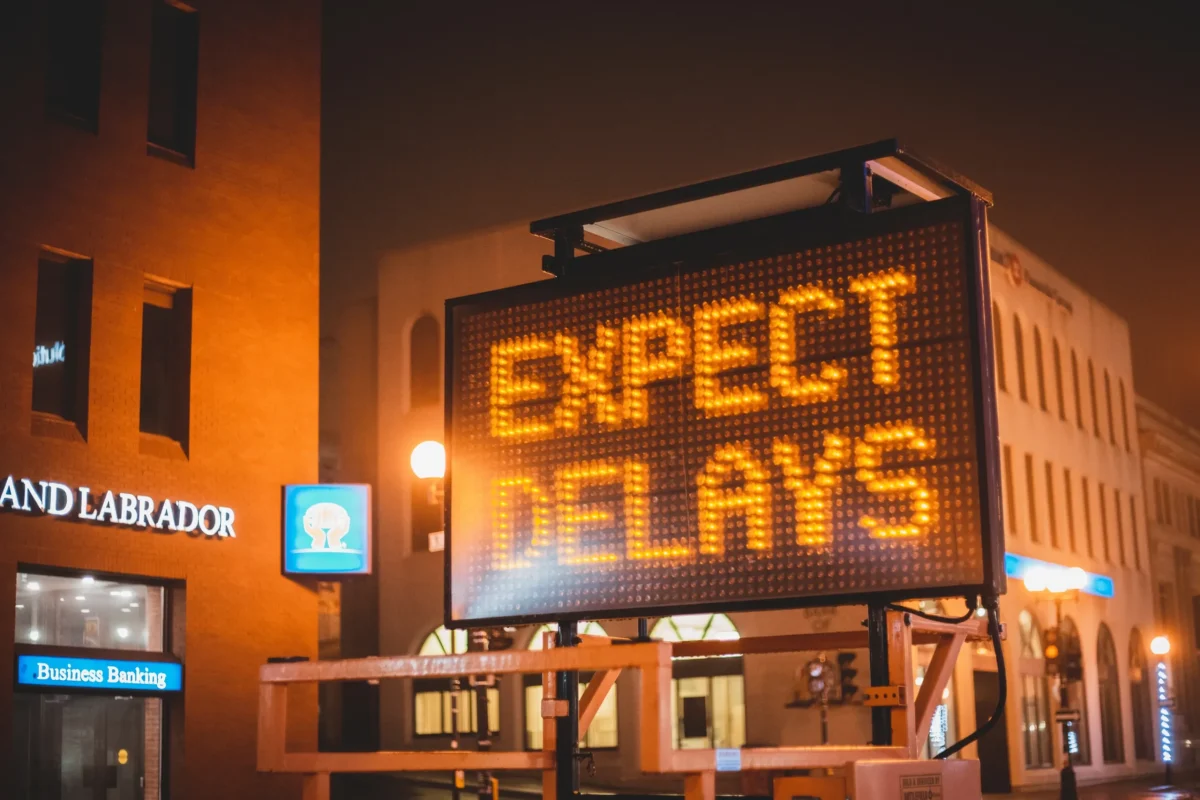
It can feel, at times, like a game of dominos. When there’s a global supply chain disruption, like those we’ve been seeing in recent months on the Red Sea and the Panama Canal, e-commerce companies and, ultimately, consumers feel the downstream ripples.

For those working on the inside, it’s nothing new. There have been plenty of similar events in recent years. During the pandemic, which had its own challenges for supply chains, events like the running aground of the large container ship “Ever Given” in the Suez Canal provide one of the best examples of how one event can add “insult to injury.”

Another occurred not long after Ever Given — severe labor shortages at vital ports like the one in Long Beach started to inject another complication.

The period during the pandemic truly was a perfect storm for supply chains. It gave a real-world case study on how seemingly separate and, on their own, manageable snags can combine to upend supply chains from the plant all the way to the customer’s door and how difficult it can be to unwind once started.

Today the pandemic’s worst effects have passed and now, as the world becomes an increasingly complicated place to do business, we’re seeing yet again how an “isolated” problem in one corner of the world can have an effect on billions.

‘Floating’ Economy at Risk in Turbulent World

A staggering 90 percent of the world’s trade is transported by ship, so the effects can be quite dramatic whenever a “choke point” becomes congested or there’s some other interruption on the “high seas.” For consumers, sometimes it’s noticeable in the lack of inventory in a particular category. Almost always, there’s an added cost from the delay, which is absorbed by the merchant and often passed to the customer.

As global trade grows, more ships burn more fuel and pay their crews more to be out at sea longer. This alone brings increased costs, but add in disruptions such as we’re seeing in the Red Sea region and it means those increased costs are unavoidable.

On top of this is growing uncertainty about the future of trade on the “high seas,” a notion that has propelled maritime traders for centuries. Today, as seen in the Red Sea area, forcing carriers away from the Suez Canal and instead around Africa’s Cape of Good Hope, terrorists are challenging free trade in their backyard and affecting consumers downstream.

Higher Costs Trickling Down

Last year saw relatively inexpensive ocean freight. Believing that pandemic volumes would carry into 2023, carriers bought bigger ships. As it turns out, this actually had the opposite effect. It resulted in too much supply, coupled with lower demand; the resulting cost of a 40-foot container from Shanghai to Long Beach stayed below $2,000.

As these latest snags throw yet more wrenches into the mix, container prices in the first month of 2024 doubled and in some cases even tripled. The world container index most recently had the price of a 40-foot container pushing $4,000.

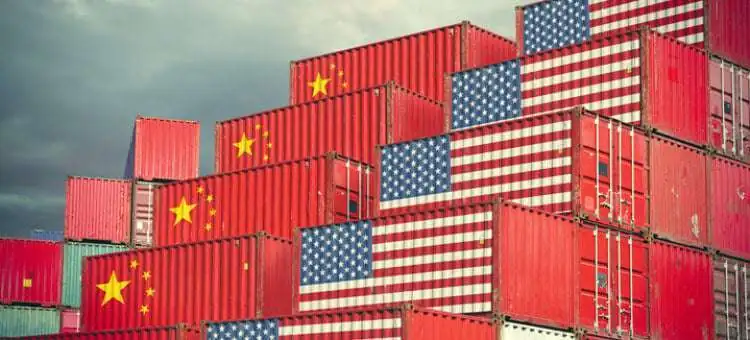
The primary trade route between East Asia and North America has been especially challenged recently. As China prepared to shut down for the Lunar New Year, there was a rush to get products loaded and shipped. Then there’s the Red Sea. Some carrier traffic is being diverted through the Suez to avoid the Panama Canal, where drought has caused lower water levels. Others are going around the tip of Africa to avoid the threat of attacks and piracy. Suddenly a lot of vessels are taking more time to complete their cycles.

Be Supply Chain Aware 

As the world’s carriers work around disruptions, it’s important that any company working within the supply chain stays on top of it every minute of every day.

Visibility and Communication

Being in the know, understanding the situation and knowing how it may impact operations and product availability is key. Follow disruptions and understand their residual impact. If you can’t figure it out, reach out to your suppliers and ask questions. The more quickly action is taken the more effectively disruptions can be worked around.

Reimagine Warehouse Operations

Consider moving away from major distribution sites in metropolitan cities to several large hubs served by strategically located distribution centers. Having several major hubs within a two- to three-day delivery time of 95 percent of American households is the model that’s cost effective and service-oriented. This allows retailers to make up for lost time once delayed ships make it to port and product finally starts closing in on its final destination.

Find a Strong Partner

A third-party logistics (3PL) provider can be a strong solution for those with the resources. A true 3PL partner offers turnkey solutions and advice around warehousing, inventory efficiencies, SKU depth, and velocity, purchase planning, and other vital operations. Hire a 3PL with its finger on the pulse of the entire supply chain.

Technology is Your Friend

Technology is evolving all the time, and adapting to the latest warehouse management systems (WMS) technology is paramount. The upgrades can be daunting and pricey, but that shouldn’t deter any company working within the supply chain. A worthwhile WMS must help you grow your business and keep issues within your supply chain visible at all times.

If anything has been learned since 2020, it’s just how intricate our supply chains are and how one seemingly “unconcerning” issue in a faraway corner of the world can have a major impact down the chain on the other side of the globe, especially as additional disruptions arise.

No matter the supply chain sector we work in, being experts on the supply chain at any moment in time is critical in overcoming the hurdles that are thrown our way each and every day.

Tom Behnke is an advisor for Boxzooka, a cloud-based warehouse management software platform and fulfillment distribution center, and vice president of sales and marketing.

To see the original article, click here.

Categories
Fulfillment Guides

Understanding B2B Fulfillment

Every business shares a common aspiration: growth. Naturally, the manifestation of growth can differ depending on the business type and industry. For online brands and eRetailers, it may involve expanding product distribution to brick-and-mortar stores, large retail chains and online marketplaces. Opening these new channels requires planning and thoughtful financial analysis of the costs and benefits of wholesale warehouse distribution models. In addition, there are considerations about choosing reliable business-to-business (B2B) fulfillment warehouse service partners. It is crucial for E-commerce brands and eRetailers to collaborate with a capable 3PL (Third-Party Logistics) provider to leverage the technologies and operational processes to handle the increased volume and facilitate sustainable growth.

You may be wondering, aren’t fulfillment warehouse operations all the same? The simple answer is “no.” B2B warehouse fulfillment differs from direct-to-consumer (DTC), also known as business-to-consumer (B2C) wholesale warehouse fulfillment. B2B fulfillment refers to the process of fulfilling orders and meeting the logistical needs of business-to-business transactions. Often times, 3PLs are competent in one or the other, but not both. The diagram below outlines the potential flow of goods from an online retailer who is the “producer” of the goods.

Unlike direct-to-consumer (DTC) order fulfillment companies, where products are shipped directly to individual consumers, B2B warehousing fulfillment focuses on meeting the needs of other businesses in the supply chain. This often involves larger individual orders, higher order volumes, specialized packaging or labeling, and tailored logistics solutions to accommodate the unique and mandatory requirements of brick-and-mortar retailers and online marketplaces.

In the B2B context, orders are still picked, packed, and shipped, but on a larger scale due to the larger quantity of items. A 3PL provider offering B2B capabilities must have the systems, people, and processes to comply with packaging and labeling guidelines specific to each retailer and marketplace. Routing Guides and delivery windows are specified, and failure to adhere to these requirements could result in chargebacks or even refusal of merchandise.

B2B buyers typically have less frequent ordering cycles and make bulk purchases, often involving large carton or pallet quantities with specialized packing requirements. While the overall fulfillment warehousing processes are similar to DTC methods, the order-processing technology, packaging, product and/or carton labeling, and shipping requirements for B2B orders can differ significantly. Many large retailers require information about the order to be exchanged via EDI (Electronic Data Interchange), a well-established and standardized method for exchanging data between two order management systems. Finally, it is crucial to note that most retailers impose financial chargeback penalties when packing guidelines and timeliness requirements are not fulfilled.

To meet the demands of B2B fulfillment, a 3PL must invest in technology that is compatible with EDI formats that are widely used by large retailers. Additionally, they need to establish technology integrations necessary for operating with major marketplaces like Amazon, Walmart, Faire, or Shopbob, to name just a few that might represent an eRetailer’s OmniChannel e-commerce strategy.

A word about “Omni-Channel” commerce: simply put, omnichannel retail (or omnichannel commerce) is a multichannel approach to sales that’s focused on providing seamless customer experiences, whether the customer is shopping online from a mobile device, on a laptop, or in a brick-and-mortar store. This approach should resonate with eRetailers and their partners in fulfillment warehouse services.

B2B Fulfillment Capabilities 

Third-party logistics (3PL) providers must offer specific services to facilitate efficient and effective business-to-business (B2B) order fulfillment. These capabilities typically include:

    • Order Processing
    • Inventory Management
    • Warehousing
    • Shipping and Delivery
    • Technology Integration
    • Value Added Services (VAS) and Compliance

Order Processing: Efficiently processing B2B orders, including order verification, order entry, and order tracking.

Inventory Management: Implementing systems and processes to manage inventory levels, ensure the availability of products for B2B customers, and minimize stockouts or overstock situations.

Warehousing: Providing secure and organized warehousing facilities to store SKUs for B2B operations. This includes proper storage, shelving, and inventory tracking systems to enable accurate order fulfillment. Efficiently picking products from the warehouse locations and packing them according to B2B customers’ requirements. Some wholesalers may require additional services such as kitting, labeling, customization, or special handling based on the specific needs of B2B customers.

Shipping and Delivery: Coordinating the logistics and transportation for B2B shipments, including selecting the appropriate carriers, managing shipping documentation, and ensuring timely delivery to B2B customers. TMS, and Transportation Management Systems are effective tools for managing these variables.

Technology Integration: Utilizing technology systems and integrations to streamline B2B fulfillment processes, including order management systems (OMS), warehouse management systems (WMS), electronic data interchange (EDI), transportation management system (TMS), and integration with B2B customers’ systems for seamless data exchange. Boxzooka offers a user-friendly and precise interface encompassing all the essential technologies required for efficient operations.

VAS and Compliance: Ensuring compliance often means that the 3PL must change packaging, labels, or price tickets and provide additional documentation for requirements set by B2B customers, retailers, and marketplaces, as well as adhering to industry regulations and standards.

Looking for a reliable 3PL partner?

Boxzooka stands out among 3PL providers by offering comprehensive warehousing fulfillment services for both B2B (Business-to-Business) and DTC (Direct-to-Consumer) operations. Our warehouses are structured, with distinct areas and workstations dedicated to B2B and DTC fulfillment. This separation ensures that the unique processes of each operation are maintained properly. With advanced technologies, seamless integrations, and white-glove customer service, Boxzooka is dedicated to exceeding your expectations and helping your business grow!

By Tom Behnke

Categories
Fulfillment Guides

What To Look For In A 3PL Partner

When selecting a third-party logistics (3PL) partner, it’s important to consider several key factors to ensure they are the right fit for your business. Listed below are Essential Requirements and a list of Additional Capabilities to look for when evaluating potential 3PL partners.

Essential Requirements for a 3PL Partner

1. Expertise and Experience: Assess the 3PL’s industry expertise and experience. Look for companies that have a proven track record in handling logistics operations similar to your business requirements. Evaluate their knowledge of relevant technologies, compliance regulations, and supply chain best practices for both warehouse fulfillment services and transportation. Gain a comprehensive understanding of their onboarding process and ensure that it aligns with your standards for a seamless transition.

2. Technology Capabilities: Evaluate the 3PL’s technology infrastructure and capabilities. It is important for a fulfillment warehouse provider to have reliable systems for order processing, managing inventory, providing real-time visibility, and generating accurate reports. Functionality that accommodates e-commerce retail, wholesale, and multiple channels should be a requirement. Additionally, the ability to integrate your company’s systems and technologies with that of the 3PL’s industry-standard software is essential.

3. Customer Service: customer service is crucial when working with a 3PL. Assess their responsiveness, accessibility, flexibility, and willingness to collaborate. Look for a partner who understands your business goals, communicates effectively, and provides proactive support. Think of your 3PL partner as an extension of your company; their importance to your business is equal to that of the products you sell. It is important to have full confidence in your decision to entrust them with your operations.

4. Cost and Value: Do your research! Take the time to compare pricing structures and contracts offered by various 3PL providers. Pricing comparisons can be confusing, and it’s appropriate to look at the per-unit economics. Before committing to a contract, ensure that both parties have a clear understanding of expectations. Seek a balance between cost and the value they can provide to your business. Evaluate their overall capabilities, customer service, and the potential cost savings that can be achieved through efficiency enhancements.

Additional Requirements for a 3PL Partner

1. Range of Services: Determine whether the 3PL can provide a comprehensive range of services that align with your logistics needs. This could include transportation management, warehousing, order fulfillment, inventory management, returns management, kitting and assembly, customs brokerage, and value-added services. Assess if they have the capabilities to handle your current and potential future requirements.

2. Customization: The customization and flexibility of packaging and shipping options can significantly impact the decision-making process based on the specific products being sold. Companies operating in the e-commerce and retail sectors often prioritize having distinctly branded packaging. If this aspect is relevant to your business, it helps to seek a fulfillment company capable of tailoring the customer experience, including personalized packing slips. A desirable 3PL partner, as mentioned above, will act as an extension of your brand, assuring that your customers receive consistent, personalized service and the same level of attention to detail they have come to expect.

3. Scalability: Consider the 3PL’s ability to scale operations as your business grows or fluctuations in demand, particularly during peak season. Ensure they have the infrastructure, resources, and network to accommodate your changing needs without compromising service quality or delivery times.

4. Organization: Arrange a visit to at least one of their facilities to gain firsthand knowledge of where your products will be handled. Look for 3PLs with experienced leadership teams and observe how the company treats its employees throughout the facility. Evaluate the organization of the 3PL, ensuring that they operate with efficient processes. This entails having orderly, streamlined fulfillment operations and reliable reporting systems to ensure smooth operations.

5. Geographic Reach: If your business operates globally or has specific regional requirements, consider the 3PL’s geographic reach and network. They should have a strong presence in the regions you operate in or plan to expand into, including well-established transportation and distribution networks.

6. Reliability, Performance, and Reputation: Evaluate the 3PL’s reliability and performance metrics, as well as industry reputation. Look for indicators such as on-time delivery rates, order accuracy, and customer satisfaction scores. Request references or case studies to gauge their ability to meet service-level agreements and handle unexpected challenges effectively. Ensure that the 3PL company has established a strong and trustworthy standing in the industry, as evidenced by satisfied customers, content vendors, carriers, and employees

7. Risk Management: Review the 3PL’s approach to risk management, including their contingency plans for disruptions, disaster recovery protocols, and security measures to safeguard your goods. They should have strategies in place to mitigate risks and protect your supply chain.

8. Sustainability and Corporate Social Responsibility: Consider the 3PL’s commitment to sustainability and corporate social responsibility. This could include eco-friendly practices, waste reduction initiatives, ethical sourcing, or participation in industry sustainability programs.

By thoroughly evaluating these factors, you can make an informed decision and choose a 3PL partner that aligns with your business needs, objectives, values, and operational requirements.

By Tom Behnke

Categories
eCommerce Guides

4 Tips For Reducing Your eCommerce Fulfillment Costs

Any business that ships products to customers understands the importance of reducing fulfillment costs – after all, the lower your shipping and handling costs, the more profit you can make on each sale. But high fulfillment costs are a significant challenge for growing e-commerce businesses. On average, an online retailer spends almost 70% of their order value on fulfillment expenses, but there are ways to reduce this. Here are some tips to lower your fulfillment costs.

Optimizing Your Shipping Cost

When shipping products to customers, finding ways to keep your costs low is essential, and optimized shipping can be an excellent way to do that. If you work with a fulfillment company like ours, we can help you by consolidating your orders and shipping them in bulk. This can often save you money on shipping charges. In addition, we can also help you to negotiate lower rates with shipping companies.

If you’re handling your order fulfillment, make sure to shop around for the best deals on shipping services. By comparing rates, you can ensure that you’re getting the best possible deal on shipping for your business.

Incorporate Automation into Your Logistical Setup

One way to reduce fulfillment costs is to automate repetitive and time-consuming tasks. For example, if you’re using a manual process to print labels and pack boxes, investing in a label printer and packing machine can help you get the job done more quickly and with fewer errors. Similarly, if you’re still tracking inventory manually, investing in an automated inventory management system can help you save time and avoid costly mistakes. By automating repetitive tasks, you can free up your staff to focus on more critical tasks and reduce your fulfillment costs significantly.

Alternatively, if it’s too costly to implement automation in your current processes, you can outsource your fulfillment to ,Boxzooka. Our cutting-edge, 3PL warehouse management software (WMS) ensures every step of your fulfillment is carried out efficiently. In addition, we have invested in the best technology to help your clients make the most out of our services.

Evaluate Your Current Fulfillment Setup

It’s critical to understand what your current fulfillment costs consist of. List every product and service you’ve used in the previous quarter and the expected service you will need in the next six months. These are some areas you should include:

  • Packaging
  • Shipping expenses
  • Freight
  • Core services include pick and pack, returns processing, and restocking.

Eliminate “Nice to Have” Services

It’s easy to overpay for unnecessary services and tools. So, the next step is eliminating all non-essential expenses associated with order processing. First, find out what are the “nice to have” services and products by assessing your current fulfillment setup and asking yourself the following:

  • Will removing this tool or service result in a negative customer experience?
  • Will your fulfillment quality be affected if you do without this service?
  • Is this service essential in scaling up your business?

Removing that service or tool is a good idea if you answer “no” to the above questions. However, reducing your e-commerce fulfillment costs doesn’t have to be complicated. Following these tips can save money on shipping without sacrificing quality or service.

By Brendan Heegan

Categories
eCommerce Guides

Understanding Dropshipping Services And Its Benefits

Dropshipping is one of the most profitable ventures in e-commerce today. According to the latest analysis report by Statista, the dropshipping industry is expected to reach a market valuation of $476.1 billion before 2026. That means enormous opportunities for you and your business if you are willing to understand the nuts and bolts of running a successful dropshipping or warehouse fulfillment business.

The best part about this business model is that you don’t need any inventory or warehouse space. You can start your online store with just an internet connection and a few clicks on your computer. For instance, by partnering with a premier dropshipping fulfillment service like Boxzooka, you don’t have to worry about warehousing products yourself. Our fulfillment center for dropshipping will handle all shipping logistics, customer support, and returns. All you do is focus on building a product catalog and enjoy peace of mind knowing that we’ve got you covered on last-mile delivery.

But how do you get started? How do you build your first dropship empire? This comprehensive blog provides a deeper understanding of dropshipping services, their benefits, and why you want to partner with a fulfillment center like Boxzooka.

Understanding Drop Shipping Services

Before jumping into the nitty gritty details of setting up your own dropshipping business, it’s important to understand what exactly dropshipping entails. In short, dropshipping is when you sell products from other companies without having to stock them yourself. The beauty of this business model is that no upfront investment is required. You can launch your dropshipping store within minutes if you have a website and some marketing skills.

But let’s face it: growing your dropshipping business to the next level takes more than just having a website and some marketing skills. Rather, your success relies on multiple parties working in sync to ensure everything goes smoothly – and a dropshipping service is at the center of it all.

Dropshipping services act as middlemen between you and your customers. They take care of fulfilling orders, handling customer inquiries, and providing customer support. And they also provide you with access to a wide range of high-quality products that you wouldn’t be able to source otherwise. So, how does a dropshipping or order fulfillment service work? Let’s say you’re selling women’s makeup products. You could go out and buy your own cosmetic inventory from a factory in China, but then you’d have to pay for storage, transportation, and labor costs. But with a dropshipping service, you just need to make bulk orders directly from the manufacturer. Then, once the accessories arrive at the dropship service’s facility, they’ll be packed and shipped to your customers as orders arrive. It’s that simple!

Benefits of Using Boxzooka’s Dropshipping Services

Dropshipping is a highly profitable venture when done right. But it can even guarantee more returns when you partner with a fulfillment center for dropshipping. Here are the top benefits of using dropshipping services:

You Focus On Selling

By outsourcing your inventory warehousing fulfillment needs to a reputable dropshipping service, you can spend less time worrying about stocking inventory and more time focusing on creating great content and engaging with your audience. In addition, this frees up valuable time so you can focus on growing your business instead of spending hours each day manually checking inventory levels and restocking shelves.

You Can Scale Easily

Another excellent benefit of dropshipping warehouse fulfillment services is that you don’t need to worry about scaling your business if you decide to grow. For example, if you’re planning to open an additional location or hire new employees, you won’t need to worry about adding new warehouses or hiring extra staff. Instead, all you need to do is add another drop ship account and start ordering again.

Lower Shipping Costs

Most dropship businesses think that outsourcing fulfillment is another expense. But on the contrary, it helps you save money in different dockets, including shipping. A typical dropshipping service has warehouses in multiple locations. So distributing your inventory across this network of order fulfillment centers ensures goods reach your customers faster and cost-effectively. And the reward? You can save on shipping costs by up to 25%.

Increase Shipping Speeds

This is a no-brainer, right? By having your inventory distributed across multiple warehouses, you get more items delivered to your customers weekly, which translates into higher sales. And considering that a remarkable 67% of U.S. consumers expect their orders to be delivered within two days or less, you’ll also improve customer satisfaction and increase conversions.

Extend Your Reach

Dropshipping services expose you to a broader market and eliminate various growth barriers. Unlike self-managing shipping, dropshipping services allow you to sell products nationwide or globally. With this level of global exposure, you can tap into markets that may not otherwise be available to you. For example, suppose you want to expand your brand internationally. In that case, you can use a dropshipping service with fulfillment warehouses across multiple countries to connect with foreign buyers who might not otherwise purchase from you.

Provide Accurate Shipping Info to Buyers

The last thing you want is to lose your customers’ trust by constantly sending them inaccurate information regarding delivery times. But with a reliable dropshipping service, your customers will always receive accurate shipping info because they’ll be automatically updated as soon as the item leaves the warehouse.

Why Choose Boxzooka’s Dropshipping Services?

Boxzooka is a premier e-commerce fulfillment distribution center/warehouse provider for retailers and wholesalers. We offer a wide range of solutions designed to help you scale your business while saving you time and money. Our team of experts is here to support you throughout the entire process. So whether you have one product or thousands, we’ve got you covered.

Here are a few reasons you should trust Boxzooka to fulfill your dropshipping orders:

Tech-driven fulfillment services. Our technologically advanced systems ensure that your orders arrive at your customers’ doors on time without problems.

Door-to-door tracking visibility. Our system keeps track of all shipments from when your customer places an order until the moment they receive their package. That means you know exactly where each shipment is located.

No surprise or hidden fees. No matter how big or small your order is, are charges are scalable based on the number of items in the order. There’s nothing extra added on top.

Flawless inventory management. We’ve built world-class warehouse management software that allows us to manage your inventory efficiently and effectively. That means you don’t need to worry about managing stock yourself anymore.

24/7 support. We’re just a phone call away if you ever run into trouble. Our expert staff is ready to assist you whenever you need it.

Fast delivery anywhere in the world. Using our dropshipping service expands your market reach and sales, as we will ship your goods worldwide within the stipulated time.

Guaranteed client satisfaction. There is no question as to whether we’ll exceed your customers’ expectations. You can rest assured knowing that every order is handled professionally and carefully.

Dropshipping is an excellent way to start selling products online. It gives you complete control over your store, allowing you to set up your own hours, choose your own payment options, and build your own unique shopping experience. As a result, you can make money online without paying anything upfront.

But if you want to unlock even greater heights, partnering with a reliable drop shipping warehouse fulfillment service like Boxzooka is the way to go! Our efficient warehouse layout, unique storage techniques, flawless process engineering, and world-class inventory management software allow us to provide you with the best possible service.

We’re also committed to environmental sustainability. By using only eco-friendly packaging materials and enhancing operational efficiency, we reduce waste and keep our carbon footprint low.

So if you’re ready to take your dropshipping business to the next level, Boxzooka is your ideal partner. Speak to a dropshipping expert today and get started!

By Brendan Heegan

Categories
Guides News

5 Ways to Prepare for Supply Chain Disruptions

IF WE’VE LEARNED ANYTHING DURING THE PAST TWO YEARS, IT HAS BEEN ABOUT MARKET DISRUPTIONS—EVEN TO THE POINT OF THE DISRUPTIONS BEING DISRUPTED. WHILE ACCURATE CRYSTAL BALLS ARE TOUGH TO COME BY, LET’S EXPLORE FIVE TRENDS AND HOW THEY MAY PROVIDE CLUES TO SOLVE FOR CONTINUED SUPPLY CHAIN DISRUPTIONS.

1. DEMAND FOR LARGE ITEMS WILL NORMALIZE. The pandemic drove increased demand for home office furniture, electronics, do-it-yourself tools and projects, and related big-ticket or high-cost items as consumers put a priority on living and working from their homes.

Consumers will maintain this home-focused habit, especially as manufacturing production continues to return to normal levels. Make sure your category forecasts are buttoned up. Focus on large-volume SKUs, rather than overstocking fringe SKUs, so you can continue to serve these consumers.

The pandemic has accelerated e-commerce and U.S. consumers have become sensitive to out-of-stock situations. They are savvy enough to find and quickly jump to another retailer to satisfy their needs. Remember: Consumers’ brand loyalty is stronger than their vendor loyalty.

2. REIMAGINE YOUR WAREHOUSE OPERATIONS. Pressure to maintain popular items in stock has put a pinch on warehouses and their operations. This stress has driven down warehouse vacancy rates, which, for example, are at all-time lows in New Jersey.

It has also driven up rents to nearly $9 per square foot, on a national average, according to CBRE, and as much as $20 or more per square foot in premium geographies like northern New Jersey.

The solution for some is to move away from a few major distribution sites in major metropolitan cities to several large hubs, served by strategically located distribution centers.

Having several major hubs within a two- to three-day delivery time of 95% of American households is the model that is cost-effective and service-oriented. This will be a challenge even for the major players. With warehouse space hard to come by, smart players will closely examine their supply chain to maximize efficiency.

Another common practice is for manufacturers and suppliers to better coordinate inbound volume to maximize existing warehouse space. For example, during the past two years, major buyers have been placing purchase orders far in advance of demand as a way to preempt the shortage of goods.

For those without the resources of major players, third-party logistics (3PL) suppliers may be one solution. A true 3PL partner offers turnkey solutions and advice around warehousing, inventory efficiencies, SKU depth and velocity, purchase planning and other vital business operations.

If you explore 3PL partners, be wary of ones that focus too much on cost efficiency. No one wants to waste money. But, you also deserve a partner that has their pulse on the entire supply chain and business trends, and then can adapt within our seemingly ever-changing world. Your 3PL partner must take time to understand your particular challenges, process, people, and business objectives.

3. INVEST IN YOUR PEOPLE. The pandemic has accelerated what was already a tight labor market. Not only are wages important, but so, too, are employee expectations for training and workplace culture.

For your supply chain talent’s long-term success, fulfillment companies must offer competitive wages, as well as a strong work environment to take care of permanent employees and ensure high retention rates. HR departments—if they’re not already—need to look at ways to offer flexible work shifts, develop new training so employees can boost their skills and learn new ones, take action to show employees that they are valued, and other activities to enhance employee loyalty.

At the same time, supplement your workforce with temporaries to provide optimal staffing and keep customers satisfied.

4. TECHNOLOGY IS YOUR FRIEND. Technology is evolving all the time and adapting to the latest warehouse management systems technology or even the upgrades can be daunting. And pricey. But that shouldn’t stop your long-term view.

A worthwhile WMS must help you grow your business. It must improve your efficiency, data, and trending analysis to stimulate growth. It must also provide an intuitive user interface, while validating and enabling sound business decisions in concert with your ERP system, using APIs that make data exchanges seamless and productive.

5. DISRUPT YOUR OWN DISRUPTIONS. The past two years have been hard. Many companies have gone out of business. Numerous smaller fulfillment companies were bought and the big players keep getting bigger.

But, we’ve also seen innovation. These demanding times have cultivated creativity and driven us to work harder. We’ve become more sensitive to the workforce at large. Innovative solutions keep costs down while providing great services.

On the global front, we have seen remarkable innovation and the creation of new markets. Think about the food delivery business!

On the finance side, strong interest by venture capitalists and private equity firms in e-commerce offerings will no doubt create their own supply chain innovations.

And, we must contend with disruptions outside of business that affect the global supply chain. While these situations may be outside our control, we can control how we react and the crisis plans we have in place that allow us to be agile and pivot to maintain business operations.

Through it all, we must never take our eye off of our business and all of its components—and what we can expect tomorrow. A well-oiled supply chain ensures your long-term success.

Article written by Brendan Heegan, CEO of Boxzooka Fulfillment & Global E-commerce

Article featured here in Inbound Logistics

Categories
Guides Subscription Box

Key Aspects of Creating a Successful Subscription Box

Consumers value convenience, reliability, and personalization from their online shopping experience. It’s no surprise that the global subscription economy has taken off in recent years.

The Rise of the Subscription Box Model

The subscription market grew by more than 100% every year from 2011 to 2016 and reached a value of $22.7 billion in 2021. Experts expect that growth to continue in coming years, almost tripling to a predicted value of $65 billion by 2027.

Whether you already have an online shop or you’re starting a new business from scratch, the subscription box model can be a great way to attract and retain customers in a scalable way. But how should you go about starting your subscription business? Here are 5 steps to follow when starting a subscription box and a few tips to keep in mind to help you create a successful subscription box business.

5 Steps to Build Your Subscription Box Business

    1. Define the purpose of your subscription box

From tea and snack deliveries to candles and treats for your dog, you can find a subscription box for just about anything. That’s why it’s critical that you carefully consider your market niche.

In this stage, you’ll need to answer key questions to create your subscription box business model. What customer needs will your box fulfill? Is there a gap in the current market that your subscription box can occupy? Does a similar box already exist? If so, how is yours differentiated? You also need to determine how often your boxes will be delivered and whether you will offer multiple subscription levels or not.

It’s also important to consider who your target customer is and how you will reach them. Taking the time to carefully define your subscription box product and target audience will help ensure that you build a subscription business that’s sustainable, scalable, and marketable.

2. Create a subscription box pricing strategy

When you start a subscription box, pricing your box is a key aspect of your strategy. It’s important to set a price that both covers your costs and is acceptable to your customers. While costs will vary depending on your industry and box items, some potential costs to consider include are the cost of the products in the box, packaging and shipping prices, warehouse fulfillment expenses, and order platform fees.

While you need to cover your costs and make a profit, it’s important to set a price that aligns with the customer’s perceived value of the box. People are generally willing to pay more for the convenience and personalization of subscription services, but it’s important to set a price that ensures a profit while allowing you to remain competitive.

3. Design a memorable customer experience

When it comes to subscription boxes, customer experience is perhaps the most important business driver. Box packaging plays a key role in the customer experience, so you’ll want to design packaging that aligns with your brand and gets your customers excited to open the box. Consider using custom boxes that are branded with your company’s logo, keeping the products in place with innovative fillers, and using creative packing materials to fill in extra space.

When designing your packaging, think about the unboxing experience from your customer’s perspective. How do you want them to feel when they open the box? What emotions do you want your packaging to evoke? Packaging decisions that support your business’s branding and purpose can go a long way in making sure your subscription boxes are memorable and representative of your business.

4. Determine the best subscription box fulfillment option

Once you’ve brainstormed subscription ideas, created a pricing strategy, and considered the customer experience, it’s time to get your subscription box into the hands of your customers. Partnering with a fulfillment company that has an established supply chain and packaging infrastructure can help streamline the delivery process and reduce costs.

When choosing a warehouse fulfillment company, consider which tasks you’ll be able to handle in-house and what you’ll need to outsource. Selecting the right fulfillment company can give you the time and flexibility to focus on other aspects of your subscription box, such as selecting products and marketing to potential customers.

5. Get the word out about your subscription box

With the rise of influencer marketing through platforms like Instagram and TikTok, marketing your subscription box to your target audience is more accessible than ever. If you already have influencers or brand advocates that you work with on social media, consider using that program to spread the word about your subscription box.

If you’re new to influencer marketing, try to identify social media influencers whose niche aligns with your brand. Send them a sample subscription box to try so they can share the box with their follower or consider paying them to create posts about your box.

While social media is a good way to get your subscription box in front of thousands of potential customers at once, there are other things you can do to market your subscription. If you already operate an e-commerce store, leverage your email list of past customers to get the word out about your new subscription offering. Consider establishing a referral program to incentivize current customers to share your box with family and friends.

Tips on Creating a Successful Subscription Box

When you launch your subscription box, consider the tactics you can use to help drive sales and spread brand awareness. Free trials and new sign-up offers can drive customer acquisition, while automatic renewal and discounts for long-term subscriptions can help you retain customers and build loyalty.

No matter what type of subscription box you offer, it’s important to design an end-to-end customer experience that’s accessible and convenient to keep customers coming back and reduce the churn commonly associated with subscriptions. Consider creating a subscription management portal and website where customers can modify their subscription, view past boxes, and make changes to their product selections. A seamless customer experience helps ensure that people have memorable and positive interactions with your subscription box, keeping them coming back for years to come.

Ready to build a successful subscription box business? Let us help you streamline your subscription box fulfillment process so you can focus on growing your business. From custom packaging and shipping to reliable and efficient order fulfillment, Boxzooka has the experience and expertise to help you build a scalable and marketable subscription business. Contact us today to learn more and start building your subscription box empire.

By Brendan Heegan


Categories
eCommerce Fulfillment Guides

How To Craft A Memorable Brand Experience With 3PL

What is the best strategy to fulfill e-commerce orders?

Multinational billion-dollar companies can afford internal logistics departments to handle their deliveries and other related operations. Unfortunately, small and medium businesses cannot afford the capital and time investment required. Product delivery logistics could limit the business expansion scope for individuals looking to start their businesses. Issues like long-distance delivery, cross-border processing, and warehouse management are often too complex to be handled alongside core business operations.

What is 3PL?

A third-party logistics service (3PL) is a company that handles supply chain activities on behalf of businesses. With a 3PL, you can focus on your core competencies while your customers enjoy top-notch delivery.

3PLs help to ensure that product delivery logistics are not a limitation while planning your business scope.

Why should your business partner with a 3PL?

Outsourcing your delivery and fulfillment is one of the most efficient strategies to run a business. While the 3PL handles logistics, you can focus on your core competencies. Here are some ways that companies are benefiting from 3PLs.

    1. Reduce incurred costs

When you partner with a 3PL, you leverage their expertise, workforce, and technology to improve customer experience. Businesses that handle their deliveries and warehouse fulfillment must have a dedicated staff. If such companies covered the last mile of the delivery, they would have substantial cost challenges.

Most businesses in this category limit their service area so that their prices can remain competitive. For e-commerce businesses, competitive pricing is crucial – customers are only one Google search away from buying from the next vendor. After spending so much on last-mile delivery, business owners without a 3PL still worry about warehouse management. There is not enough time, financial, and human capital for small to medium businesses to address these challenges satisfactorily.

Partnering with a 3PL shifts this responsibility to a company with the required experience, staffing, and technology. Aside from the immediate financial cost of handling your warehouse delivery fulfillment, there is a risk of failure because of a lack of experience. Even with quality products, customers will explore other options if your delivery and order fulfillment system is inadequate. For businesses with high customer lifetime value, delivery irregularities may cause incalculable losses.

2.  Leverage the latest technology

Several delivery fulfillment technology solutions help businesses to improve customer satisfaction. However, business owners will lose their competitive edge without the required expertise. Consumers’ expectations of delivery and fulfillment are steadily increasing. Since they buy products from different vendors, they will undoubtedly compare their purchase experiences. If customers feel less satisfied with your brand’s delivery system than others, they may be tempted to switch.

Partnering with a 3PL service provider with the latest delivery technology will keep your business competitive without the added cost of developing a delivery service in-house.

3. Protect your business from disruptions

Even with the best delivery systems, interruptions and delays occur. Sometimes, they can be so challenging that customers do not get their deliveries for weeks. Under normal circumstances, these disruptions only happen occasionally. However, since the beginning of the pandemic, the ever-changing government policies have made logistics more complex. Restrictions and regulations change more frequently across national borders and between territories within a country.

3PLs keep your business ahead of the curve, preventing such unpleasant surprises from disrupting your operations. Even though more countries are opening up, experts still expect some changes in the future. Outsourcing your warehouse fulfillment to a dedicated 3PL will ensure that your customers get their purchases delivered regardless.

4.  Easier expansion into international markets

For sellers that wish to expand internationally, logistics is one major hurdle they have to cross. After ensuring that the product fits the international market, they must figure out storage, transportation, and last-mile delivery concerns. Logistics concerns alone can discourage business owners from expanding as much as possible. With a 3PL, the whole process becomes much more manageable.

After partnering with a trusted 3PL, your foreign customers only have to complete the order on your website or any other e-commerce platform. Also, the customer experience is smooth since pricing is transparent. Both the goods and delivery can be paid for at once, while the business incurs no hidden or unexpected costs while crossing the borders.

How do you select a reliable 3PL partner?

Even though there are several 3PL services, not all will suit your business. Here are some pointers to look for while choosing a third-party logistics company.

  1. Serviceable Locations

When choosing a 3PL partner, ensure that they can fulfill your deliveries in all your customers’ locations. For international deliveries, ensure that all the destination countries are covered. If you plan to expand internationally, you should consider your planned international expansion locations.

2. Support

Aside from e-commerce warehouse order fulfillment, an effective 3PL service should provide the necessary support for your inventory and other aspects of logistics. The system should give you up-to-date data, business intelligence, and cloud support.

3. Value-added Services

Your business needs a 3PL that puts your brand image first for maximum customer satisfaction. Aside from making the order from your website, the packaging and delivery are the physical connection customers have with your brand. The wrong 3PL service may create an incorrect brand perception in the minds of your consumers.

Stand out from the competition with Boxzooka

Craft a memorable brand experience with us at Boxzooka. With an extensive distribution location in the US and China, Boxzooka can help you expand your brand domestically and internationally. In addition, Boxzooka’s proprietary warehouse management software provides you control of your inventory from the comfort of your handheld devices. Finally, Boxzooka puts your company’s reputation first with customizable packaging that accurately represents your brand to your customers.

By Brendan Heegan

Categories
eCommerce Guides

E-Commerce Business Guide to Flourishing Post COVID-19

In early 2020, e-commerce retailers were struggling to adapt to the frightening changes in consumer behavior. In late 2020, they were reaping the benefits of an influx of online buyers with a slowly recovering purchasing power. In 2021, the entire world is bracing for post-pandemic changes, and e-commerce businesses are no exception.

Whether e-commerce businesses reinvented themselves during the pandemic or capitalized on the changes, many of them survived. Now, as the pandemic is coming to an end, they need to prepare for yet another new normal.

COVID-19 hit so suddenly that many retailers simply didn’t have enough time to react without experiencing losses. Now is the time to make preparations for the post-COVID reality.

How E-Commerce Businesses Can Prepare for Post-Pandemic Reality

What Changed During the Pandemic

The COVID-19 pandemic accelerated the shift to digital shopping by five years. Here are a few statistics to show what has changed in the e-commerce retail sector during the pandemic.

    • 40% of consumers changed brands during the pandemic (McKinsey).
    • Between January and September 2020, 29 big retailers filed for bankruptcy protection ( Marketplace).
    • Between January 2020 and February 2021, total retail sales in the United States have been steadily declining (Statista).
    • Retail-oriented credit card and debit card spending increased by 35% between January 2020 and January 2021 (McKinsey)
    • Consumers actively invested in their home lives during the pandemic, with 28% renovating homes and 19% changing their living situation. (McKinsey)
    • Compared to 2019, dollar sales of small appliances and housewares grew by 46% and 38%, respectively (NDP)

Even though the pandemic may have benefited some e-commerce retailers, others have seen sales plummet. The main reasons were the decline of purchasing power and the shifted focus to essential items.

The Recovery Trend

Consumers are slowly recovering from the COVID-19 pandemic. Some adapted to the new normal. Others are already planning for restriction relaxation. According to McKinsey’s survey:

    • Economic optimism is on the rise. About 40% of U.S. consumers are consistently optimistic, while only 15% are pessimistic.
    • Over the past six months, the credit card spending was equal to the year before the pandemic.
    • More than 50% of U.S. consumers plan to spend extra by treating themselves.

According to The NPD Group, compared to March 2020, dollar sales at discretionary retail increased by 65%. Compared to March 2019, they increased by 39%. The sharp rise is currently attributed to the stimulus check distribution. However, considering pandemic fatigue, the trend to spend money on non-essential items is likely to continue.

Overall, as the pandemic is subsiding, many e-commerce retailers seem to be looking at a target audience with a high buying potential. How should they prepare for business after COVID-19?

Reinvent Brick-and-Mortar Locations

More than 62% of U.S. consumers say that they shop more online than they did before the pandemic. However, 91% of shoppers say that they miss the in-store shopping experience.

If an e-commerce business has brick-and-mortar locations, the post-pandemic world may be the opportunity to reinvent them. For example, Target reinvented its offline locations by fulfilling online orders through them. Consumers could make purchases online and pick them up at a physical location.

Once social distancing and other limits are no longer an issue, e-commerce retailers can turn their brick-and-mortar stores into hybrid shopping areas.

Fashion retailers can allow customers to try on the clothing they ordered online before taking it home. This would cut the return shipping costs and bring back the in-store shopping experience. Meanwhile, brick-and-mortar locations could become warehouses with small order pick-up and try-on areas.

Focusing on Data

The shift to digital shopping generated a huge amount of customer data. From shopping trends and demographics to preferences and buying behavior, e-commerce retailers now have much more information to work with.

In 2021, the key to converting a potential customer is personalization. With all the data at their fingertips, e-commerce retailers can now accompany each consumer down the sales funnel and present highly personalized offers every step of the way while:

    • Predicting product trends.
    • Analyzing buying and customer behavior.
    • Optimizing product selection.
    • Optimizing product prices.

With more than half of American shoppers planning to continue buying online after the pandemic, right now is an excellent time to learn how to manage and analyze this data.

Surprisingly, 77% of small e-commerce companies don’t have a solid data analytics strategy. By taking full advantage of this approach, it’s possible to stay ahead of the competition after the pandemic.

Even when brick-and-mortar stores make a comeback, data analytics can offer tremendous assistance in converting and retaining target audiences both online and offline.

Adopting an Omnichannel Marketing and Sales Strategy

With e-commerce accounting for almost 20% of U.S. retail sales in 2020, many e-commerce retailers focused their entire attention on digital sales and marketing. As the consumer is emerging into the “real world” after the pandemic, such an approach may not be sufficient.

Besides trying to target a shopper from all angles at digital levels, e-commerce businesses need to consider offline marketing options as well. The 21st-century consumer expects a seamless omnichannel experience. So, allowing them to interact with a brand offline is an integral part of a solid post-COVID marketing and sales strategy.

The omnichannel approach may include such elements as:

    • Buying online and returning in-store.
    • Checking inventory online and proceeding to a brick-and-mortar stop to pick the right product up.
    • Taking advantage of catalogs and direct mailing campaigns.
    • Arranging offline or hybrid events to reel in the target audience
    • Implementing guerilla marketing activities
    • Streamlining e-commerce warehouse fulfillment technology

For consumers who are suffering from pandemic fatigue while still feeling loyal to online shopping, the omnichannel strategy can become an appealing solution.

Focusing on Health and Safety

The COVID-19 pandemic forced consumers to rethink their approach to health and safety. The habits they acquired in 2020 aren’t likely to simply disappear once the government declares the pandemic to be over.

That’s why it’s imperative to continue promoting health and safety issues in relation to products and e-commerce operations. Besides being an excellent way to keep clients happy, this approach shows consistency and builds consumer loyalty.

E-commerce retailers can continue capitalizing on care, showing consumers how important their health and safety are to their business. With many experts predicting virus mutations and the need for regular vaccination, the focus on health and safety is here to stay.

From improving e-commerce fulfillment efforts with safety in mind to limiting the number of people in brick-and-mortar stores and curbside delivery, these tactics demand attention even after the pandemic.

Providing Real-Time 100% Inventory Transparency

While staying at home during the pandemic, many consumers perfected their pre-shopping activities. From meal planning to price comparisons, they are doing extensive research online before picking a brand. That’s one of the reasons why, as mentioned above, 40% of them changed brands in the past year.

Consumers expect 100% inventory transparency to help them make a decision. Giving them full visibility is also becoming increasingly important for e-commerce retailers when they establish e-commerce fulfillment strategies.

Besides creating a seamless online shopping experience on their websites, e-commerce retailers can consider providing full access to the inventory in real-time.

Speeding Up Revenge Spending

While many e-commerce retailers are expecting consumers to splurge on non-essential items once the pandemic is over, customers aren’t rushing to make purchases just yet.

For example, Chinese stores re-opened on March 13, 2020. However, the spending is far from being formidable. Many consumers are still wary of the virus and turn to online shopping.

E-commerce retailers can take full advantage of this situation when stores re-open in the USA. As soon as the purchasing power starts rebounding, online stores can capitalize on revenge spending by creating appealing promotions. Such a move is likely to keep the majority of the audience online even when restrictions are lifted.

The Takeaway

Even though many consumers see the light at the end of the tunnel, pandemic-related shopping habits are here to stay. When stores re-open after the pandemic, customers won’t be rushing to abandon digital shopping habits.

To survive in the past-pandemic world, e-commerce retailers should beef up their omnichannel strategies, revive their offline offerings, improve the hybrid experience for their customers, and continue focusing on health and safety.

Lastly, to be prepared for the next shift in the e-commerce retail landscape, it’s imperative to take advantage of the available e-commerce warehouse fulfillment technology. To capitalize on innovations and ensure success in 2021 and beyond, partner with Boxzooka and let us help you flourish in the post-COVID environment.

By Brendan Heegan


Categories
eCommerce Guides

Optimize Your E-Commerce Fulfillment Process with Real-Time Data

Gaining complete control over your warehouse operations is essential to your business’s health and continued growth. Customers expect and demand a transparent, accurate, and fast order fulfillment warehouse experience. Choosing the right Warehouse Management System (WMS) can make the difference between a well-run warehouse that can exceed customer delivery expectations and dissatisfied end-users who might take their business elsewhere.

So, how do you optimize the e-commerce fulfillment process? The name of the game is data, data, and more data. According to a study by the Council of Supply Chain Management Professionals, 93% of shippers and 98% of third-party logistics firms feel that data-driven decision-making is crucial to supply chain activities.

Why is it essential for your WMS to provide real-time data to your business?

You need current and actionable information to help you make the right decisions regarding your inventory and real-time updates regarding your entire supply chain. In essence, you need accurate and timely data to determine what products you have received, where they are stored, and pinpoint activity in the delivery process. Your customers expect you to be able to answer questions about their order; real-time data analytics will help you accurately address customer service and raise customer satisfaction. Real-time data will provide insight into where the bottlenecks are in your processes and how to improve them. Real-time visibility into demand patterns is key to understanding and predicting trends – not all future inventory levels can be based on past requirements. You need to be agile and make decisions quickly to survive in today’s challenging business environment.

There are plenty of e-commerce platforms to choose from. But when an out-of-the-box WMS does not meet your needs, that’s where Boxzooka’s proprietary WMS comes in!

Why choose Boxzooka’s WMS?

Boxzooka goes the extra mile to ensure that you can take your business to the next level. It will provide the data necessary to make quicker and better-informed decisions in your supply chain management.

The benefits of Boxzooka’s WMS go far beyond the four walls of the warehouse; it will also improve efficiency and productivity across your entire organization.

What can Boxzooka’s WMS do for you?

Boxzooka’s WMS provides the data necessary to make informed decisions as part of your supply chain management.

Boxzooka’s WMS provides:

    • Total inventory management control
    • Full visibility of the supply chain management process, tracking product from intake at the warehouse to the store shelf
    • Real-time analytics
    • Full sales monitoring metrics
    • Tracking and high visibility into order activity: receiving, storage, picking, and delivery processes
    • Detailed reporting on receiving, storage, inventory, and shipping time-in-transit

Boxzooka’s WMS provides data to help you determine what stock you currently have, what you will need in the future, and appropriate stock safety levels to avoid stockouts and reduce storage costs. It would help if you make informed predictions about what product you might need in the future and at what levels; the data provided by Boxzooka’s WMS lends itself to predictive analytics that will assist in management decisions. Predictive analytics will give insight into supply and demand miscalculations and help address issues such as damaged inventory. Replenishment planning analytics will help you determine product availability. Intelligent dashboards enable you to see a high-level summary of metrics key to the warehouse’s efficient running. It also provides insights into opportunities and risks.

By Brendan Heegan