

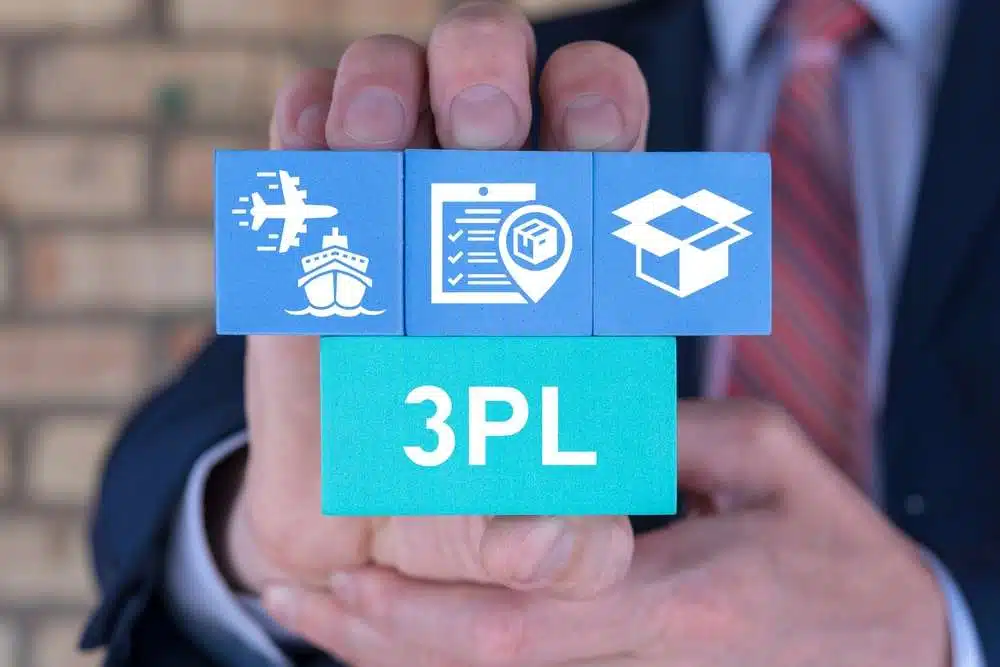
All companies value the security that comes with a solid contract. For companies that ship products from, to, and around New York, knowing what to include in a New York 3PL contract is crucial. With the right contract, you can have all the steps in place that help you boost your deliveries and customer satisfaction.
Understanding what to include in your 3PL logistics contract can help you stay ahead of seasonal demands and avoid congestion within your business operations. When you dive into the nuances of 3PL agreements, you ensure you can benefit your business with a contract that covers all your needs.
Why Contracts Matter in New York Fulfillment
The urban complexities of operating an eCommerce business in New York City are unique. Your contract should reflect your operational and business agreements by anticipating potential obstacles and having workable solutions in place. You can get caught off guard by traffic delays from carrier congestion, or inventory problems caused by surges during holidays and limited warehouse space. Well-structured 3PL contracts protect both your brand and the logistics provider, ensuring you have a work environment that addresses all challenges.
Aligning your contract expectations with New York regional realities can help with legal compliance and regulatory adherence. Additionally, incorporating specific data privacy or shipping restrictions helps your business avoid potential legal issues and penalties.
3PL contracts enable your fulfillment processes to contribute to customer satisfaction consistently, which is essential for long-term growth. A good 3PL should be flexible in adjusting a contract so it prioritizes your New York fulfillment needs and facilitates your business’s expansion.
Core Elements to Include in a 3PL Agreement
Having a comprehensive agreement is fundamental to protecting your brand and 3PL partnership. Consider the following elements to include in a contract:
SLAs and Performance Benchmarks
Define Service Level Agreements (SLAs) clearly in your New York 3PL contract to establish firm performance benchmarks. They specify everything from timelines for picking, packing, and shipping orders. They also set accuracy targets for your operations, and help you align your 3PLs performance with your brands’ goals.
Storage and Inventory Management
Contracts should clearly define what storage and inventory management terms you want to include in your 3PL contract. The contract should specify the following:
- Specify storage methods like pallets, bins, and shelves
- Storage limits or special SKU requirements
- Additional fees apply to slow-moving or aging inventory, and how those costs are calculated
- Frequency of cycle counts or inventory audits to maintain accuracy
The 3PL’s warehouse management system should provide you with real-time visibility into inventory levels and movements. Specify timelines for handling your inbound shipment, updating inventory counts, and the procedures for your inventory removal or transfers. These terms prevent surprises and guarantee that what you include in your New York 3PL contract brings personalized outcomes.
Returns Processing and Reverse Logistics
Handling returns is standard procedure in eCommerce — particularly in the New York fashion and consumer market. Your 3PL contract should outline how returns and reverse logistics will be managed. A good example of a 3PL contract stipulation is an agreement that defines processing timelines with inspections that must be made within a specific time period.
Setting expectations for handling return volume spikes during peak periods, like holidays or promotions is vital. You can ask the 3PL to outline their plan for scaling up return processing during surges.
The agreement can transparently list several components, including:
- Fees related to returns, including handling or restocking fees
- Who provides return labels
- Who manages return processes
- How the service provider can ensure quick refunds or exchanges
- How the return agreement can help protect customer satisfaction and cost efficiency in the demanding market of New York City
Fee Structures and Transparent Billing
Clear fee structures and transparent billing are crucial elements of a 3PL agreement. Be as thorough as you can in this regard, specifying all your potential charges like receiving fees per pallet or carton, monthly storage fees, and fulfillment fees for picking and packing. List packaging material charges for boxes, tape, and returns processing fees. You will also want to detail and confirm your surcharges, such as peak-season rates, long-term storage costs, or special project fees.
Ensure the agreement includes payment terms, invoicing frequency, late-payment penalties, early-payment discounts, and annual rate increases. For scalable operations, negotiate volume-based pricing tiers. Transparent billing ensures predictable fulfillment costs and a fair partnership.
Technology and Integrations
Leading New York 3PLs separate themselves with robust technology, making it vital to define technology and integrations that improve your supply chain in your contract. You should confirm that your 3PL provider’s warehouse management system (WMS) integrates seamlessly with your sales channels. In the contract, specify integrations, available APIs, and any related setup fees.
Another essential component your New York 3PL contract should include is a guarantee of your real-time dashboard access for tracking orders, inventory levels, and shipments.
It is wise to clarify how your 3PL manages technical issues and communicates solutions. Outline responsibilities for resolving integration problems and include tech-driven features like automatic low-stock alerts or order management capabilities. Ensuring your contract promises access to current and future technology without hidden costs helps you maintain an efficient, competitive New York fulfillment operation.
Termination and Exit Terms
You need a clear termination and exit clause in your New York 3PL contract to ensure a smooth transition if you ever decide to end the partnership. Ask to specify the initial term and clarify if it renews automatically. You can also define the termination notice period — commonly 30, 60, or 90 days — to balance your flexibility with the 3PL providers’ operational needs.
Your agreement should also outline responsibilities during the transition period, ensuring the 3PL maintains service levels until the contract is complete. The contract can state how you will retrieve your inventory, and include timelines for collection or shipping to another location.
You also need to clarify any associated handling fees or freight costs and specify who covers special arrangements. For the most comprehensive agreement, your contract should detail final invoicing procedures and account settlement timelines, protecting you from disruptions.
Geographic Focus for NYC Considerations
Your contract should include New York–specific considerations essential to your fulfillment strategy. When discussing terms, clarify how the 3PL optimizes operations for the unique geography and customer density of the NYC metro area.
You can ask to specify delivery zones your provider covers within one to two days via ground shipping. Additionally, outline carrier arrangements and clearly note cut-off times for same-day handoffs, considering early afternoon deadlines due to NYC traffic.
It is also vital to include details about regional surcharges, additional fees from carriers, or required delivery signatures in particular neighborhoods, and specify billing procedures for these charges. You can specifically discuss the 3PLs strategy for faster deliveries in the New York — area and ways they reduce shipping times. Tailoring your agreement this way ensures it aligns specifically with the New York logistical landscape rather than offering generic terms.
Questions to Ask Before Signing
Before you sign any agreement, it’s worth having a candid conversation with your prospective 3PL. Here are some key questions to ask that can flush out the details and ensure the contract covers all bases:
Do you outsource any part of your process?
If a 3PL subcontracts deliveries or runs a network of partner warehouses, you need to know. Make sure the contract addresses performance and quality standards for any outsourced components so there are no gaps in service.
Can you scale up for peak seasons or sudden volume surges?
New York eCommerce volumes can spike dramatically. Ask how your 3PL plan for capacity increases, including extra staffing, extended hours, and overflow space. This helps you ensure your contract includes provisions that will meet your New York fulfillment needs — even at peak.
Will I have a dedicated account manager and a consistent point of contact?
Communication is key in a bustling market centered on NYC fulfillments. It can make all the difference knowing you have an assigned account manager who understands your business. When possible, your contract should include a dedicated representative overseeing your account’s daily operations.
Do you offer reports or live dashboards?
You want 24/7 visibility into your operations in a city that constantly operates. You can discuss online dashboards and frequent reports that keep you in the loop. You can also confirm how you can monitor performance and stock levels without waiting for manual updates.
Ready to Find Your New York 3PL Service Provider?
Crafting a detailed 3PL agreement is critical for your NYC-based ecommerce brand. Clearly defined SLAs, transparent pricing, technology integration, and New York–specific terms ensure your logistics partner meets your operational needs, even amid heavy city traffic or seasonal surges.
Take the next step towards New York 3PL fulfillment and contact Boxzooka for a quote or consultation. We are happy to help you ensure your 3PL contract is as strategic and transparent.