

Categories
Cosmetics

Beauty Fulfillment Returns: What to Ask a 3PL About Damaged Products

Key Takeaways

  • Beauty fulfillment returns require specialized, high-touch inspection due to fragile components (liquids, glass, seals) and high customer expectations around product integrity and unboxing experience.
  • Damaged returns should be processed within an optimal 1-2 business days and tracked at the SKU level through each stage: pending inspection, approved for restock, quarantined, or removed from inventory.
  • A reliable 3PL should never automate the inspection step of beauty fulfillment returns. Any product failing quality checks must be routed to quarantine or documented disposal, never back to active stock.
  • WMS dashboards should give brands real-time visibility into return status, inspection notes, and damage trends without requiring manual follow-up.
  • Beauty packaging should be designed with fulfillment in mind, prioritizing shock absorption, leak prevention, and tamper evidence alongside aesthetics, to reduce return rates at the source.
  • Choosing a 3PL with clear, documented reverse logistics workflows is one of the strongest indicators of long-term fit for beauty brands.

Your inventory management works effortlessly between orders and deliveries, and the same should apply to beauty fulfillment returns, especially when damaged products reenter your operation. Uncertainty at this stage creates inventory and brand risk. You want to know whether the product is still in good condition, eligible for restock, or permanently removed from inventory.

A 3PL partner should have a clear understanding of the delicate nature of beauty product fulfillment, from packaging and kitting to handling liquids, fragile products, and glass. You want to know that, while automation works in other areas of fulfillment, there’s a real person inspecting product returns to protect your brand and build trust with your customers.

Why Beauty Fulfillment Returns Require Specialized Handling for Damaged Products

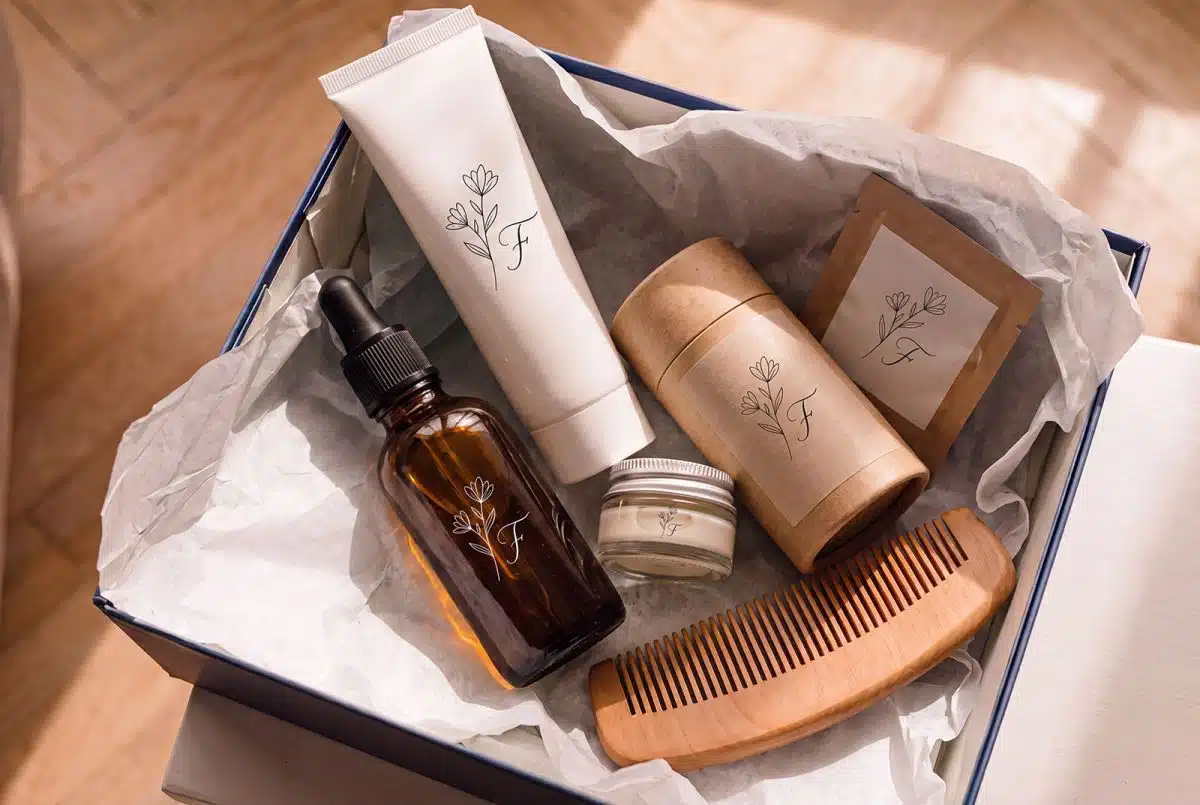
As a brand operating in the beauty industry, your product comes under greater speculation than other industry types, and that’s because customers focus on both product integrity and presentation. Your customer wants a memorable unboxing experience as much as a quality product. The added layer of customer expectation and trust in your product places beauty fulfillment returns in a higher-risk category.

Damaged products require thoughtful handling to support safety, brand integrity, and inventory accuracy, especially for beauty and skincare brands. Your skincare product returns handling process should balance speed and brand protection at every step.

Why Damaged Products Are More Complex in Beauty Fulfillment

Damaged products in beauty fulfillment carry an extra layer of complexity, as many SKUs contain liquids or fragile components. Your products should have intact seals and complete kits to ensure they remain sellable. How well you maintain quality standards throughout this process determines whether your product meets those standards and qualifies for restock.

Why Returns Affect Brand Trust and Customer Experience

Receiving a damaged product or a replacement that does not meet expectations can undermine trust, even when you resolve the issue quickly. Unboxing consistency supports brand consistency and trust, as customers expect products to arrive intact, sealed, and well presented.

Why Unclear Return Workflows Create Operational Risk

Clear order fulfillment return workflows reduce operational risk by introducing inventory alignment and efficient decision-making. Without defined processes, damaged products may remain counted as available inventory or remain unresolved for extended periods. Poor internal visibility makes it difficult for teams to understand return status or take action. These elevated expectations make the practical realities of handling damaged beauty products more complex than they may initially appear.

How Professional 3PLs Should Handle Damaged Beauty Products

Your 3PL fulfillment team should have a clear workflow to determine what happens to the beauty product when there’s a return. The decision-making process should include a physical inspection to ensure the product and packaging meet the restocking criteria.

Stage What the 3PL Does Why It Matters for Beauty Brands
Intake Logs returns by SKU and routes them out of active inventory Prevents your damaged products from being counted as available stock
Initial Inspection Checks for leaks, breakage, missing components, or tampering Identifies issues common to liquids and fragile items
Packaging vs. Product Review Separates outer packaging damage from product integrity issues Avoids unnecessary disposal when products remain compliant
Quality Control Checks Confirms visual condition, seal integrity, and SKU-specific compliance Ensures products meet your brand and hygiene standards
Restock Decision Approves eligible items for return to inventory Maintains accurate inventory management
Quarantine Holds items needing further review or clarification Prevents premature restocking
Disposal Removes unsellable items with documented records Protects brand trust and accountability

Key Questions to Ask a 3PL About Cosmetics and Beauty Fulfillment, Returns and Damage

When partnering with a 3PL, it’s important to understand how they handle returns for cosmetics and beauty fulfillment. Questions to consider asking include:

How Are Damaged Beauty Products Identified and Categorized?

Your 3PL should identify damaged beauty products through a defined inspection process that separates packaging damage from product compromise. Inspectors within the returns workflow must check seals, caps, pumps, liquid leakage, and kit integrity before assigning a damage category. Your beauty fulfillment partner should label each returned unit with its SKU and a documented condition status that determines whether it can be restocked or removed from inventory.

The manual step matters because even minor seal damage can make a product unsellable. A reliable 3PL uses SKU-level rules to protect your brand standards and prevent compromised products from reentering circulation. Research shows that 81% of returns are due to damaged or defective items.

What Inspection Steps Occur Before a Restock Decision Is Made?

Your 3PL should complete a multi-step inspection to confirm product safety and resale eligibility before restocking a returned beauty product. This process includes visual checks for leakage or contamination, and seal integrity verification. Your kits must be reviewed as complete units, not as individual components. Inspection should always accompany restock decisions, and it’s not advisable to automate this inspection step. Your fulfillment team should route beauty products that fail any step to quarantine or documented disposal to protect customers and preserve trust.

How Should Damaged Beauty Returns Appear in Your Warehouse Management System (WMS)?

Your 3PL’s WMS should show damaged order fulfillment returns at the SKU level with real-time condition status, inspection notes, and responsibility clearly assigned. The dashboard should show you whether a unit is pending review, approved for restock, quarantined, or removed from inventory. Documentation should be visible to your team without manual requests.

Clear insight allows brands to track damage trends and maintain inventory accuracy. Without it, damaged products create blind spots that affect forecasting and customer experience.

How Should a 3PL Handle Disposal and Documentation for Damaged Beauty Products?

Disposal should follow a documented process tied to the original return record when you can’t restock a beauty product. Your 3PL should record the reason for disposal and immediately update the inventory status. Accurate record-keeping creates a traceable audit trail without slowing your daily operations.

Clear disposal documentation protects your brand from compliance risk and prevents unsellable products from reentering inventory. Record-keeping identifies recurring damage caused by packaging or handling.

How Quickly Are Damaged Returns Processed?

Process damaged beauty fulfillment returns quickly after receipt to improve inventory efficiency and real-time status updates. A reliable 3PL inspects and categorizes damaged items within a defined service window, often within one to two business days, so inventory status is updated without lag.

Fast processing ensures you know whether products can be restocked or removed from inventory before those units affect your order accuracy or availability. Speedy, consistent returns handling keeps inventory management accurate and gives teams access to the information they need to resolve customer issues quickly.

How Does the 3PL Determine Restock Eligibility?

A 3PL determines restock eligibility by applying SKU-specific inspection criteria. Inspectors evaluate each return for product integrity, seal condition, completeness, and presentation to confirm it meets your brand standards for resale. Your fulfillment team assesses packaging damage separately to determine whether it affects the product itself or only the outer appearance.

Restock approval requires that the item show no signs of leakage, contamination, or tampering for beauty and skincare products. 3PLs route products that do not meet these standards to quarantine or removal, which ensures only compliant inventory returns to active stock to preserve brand trust.

How Are Disposal and Destruction Handled?

Your 3PL handles disposal and destruction through a documented process tied to the original beauty fulfillment return record. The 3PL records the reason for removal, updates inventory status, and follows approved disposal procedures to ensure the item cannot reenter circulation when your product is deemed unsellable.

Disposal and destruction documentation is critical for protecting and accounting for beauty and skincare brands. Clear records support accurate inventory management, confirm proper handling, and help brands identify recurring damage patterns tied to fulfillment.

How Are Exceptions Communicated to Brands?

Beauty fulfillment teams communicate exceptions through clear, timely updates that provide clarity into what happened and why. A 3PL should log exceptions at the SKU level, including inspection notes, timestamps, and status changes, so your team can review issues without manual follow-up.

A 3PL escalates exceptions through a client success manager who provides context and recommended next steps. This escalation process keeps brands informed and ensures exceptions don’t disrupt inventory management or the customer experience.

a worker handles beauty products returns at a fulfillment center

WMS Visibility for Beauty Fulfillment Returns: What Your 3PL Should Show You

Your returns insights should be specific and tied to real inventory decisions to maximize value. Partner with a fulfillment team that understands the importance of going beyond reporting a product return when you’re in the beauty and skincare industry. You’ll need to know the next steps at the SKU level to protect inventory integrity and maintain your customers’ trust.

SKU-Level Return Status and Condition Tracking

Correct SKU updates are a critical part of your business and help you manage your inventory more efficiently. With beauty fulfillment returns, you need a WMS that’s reliable and accurate in these updates. You’ll need to know where the item is in the process:

  • Pending inspection
  • Approved for restock
  • Quarantined
  • Removed from inventory

This access to real-time data shows you where returned units stand without waiting for manual updates. SKU-level tracking prevents compromised products from being counted as available inventory, supporting accurate forecasting and order fulfillment decisions.

Inspection Notes, Timestamps, and Accountability

View the inspection notes for each returned unit. These notes explain why an item was quarantined, restocked, or removed, along with timestamps that show when each step occurred.

This level of transparency creates accountability across beauty product returns workflows and gives you confidence that your 3PL consistently applies inspection standards. It reduces back-and-forth communication and helps your team resolve customer issues faster thanks to verified information.

Reporting on Damage Trends and Root Causes

Gain access to your returns data aggregated in clear WMS data reports that reveal where damage is occurring and why. You should see patterns related to packaging performance and seasonal spikes in return volume. With the WMS data insights, you can implement proactive improvements such as adjusting protective packouts and refining handling rules during peak periods.

Packaging, Prevention, and Process Improvements

You can reduce the number of damaged beauty and skincare product returns before your customer receives the order. Beauty and skincare brands should design product packaging and fulfillment processes to account for fragile components, liquids, and presentation standards. Your 3PL plays a critical role in preventing damage by applying packaging strategies and handling rules that align with SKU-level requirements.

Why Beauty Packaging Requires Fulfillment-Specific Design

Beauty packaging needs to meet more than just shelf appeal; it also needs to withstand the realities of fulfillment, including storage and delivery. Beauty products require finesse, unlike other consumer goods. Beauty products are vulnerable to damage, leakage, and temperature sensitivity during deliveries, making fulfillment-specific design a critical consideration from the start.

Beauty Products Are Fragile and High-Risk in Transit

Common elements in beauty packaging include glass bottles, pumps, droppers, compacts, and mirrors. These have higher breakage risks during picking, packing, and delivering. By designing packaging to protect these components, brands lower the rate of beauty fulfillment returns and product loss, and reduce customer dissatisfaction.

Fulfillment-ready design accounts for:

  • Shock absorption and internal stabilization
  • Leak prevention for liquids, oils, and serums
  • Tamper-evidence and seal integrity

Packaging Must Balance Protection and Brand Experience

Beauty customers expect a premium unboxing experience. Your packaging should prioritize aesthetics and functionality while withstanding weight and movement during transit. Fulfillment-specific design ensures packaging:

  • Maintains visual appeal while adding structural integrity
  • Fits efficiently into delivery cartons to reduce movement
  • Protects branding elements like labels, foils, and finishes
Dimensional Efficiency Impacts Fulfillment Costs

Design your beauty packaging with shipment in mind so you have the right-sized boxes that use space efficiently and reduce dimensional weight charges. Over time, you’ll save on delivery and storage costs. Designing packaging with fulfillment considerations allows brands to:

  • Optimize carton sizes for standard delivery tiers
  • Improve palletization and warehouse storage density
  • Reduce material waste and delivery expenses

Compliance and Consistency Matter at Scale

As your beauty brand grows, your packaging needs to grow along with it. Your packaging needs to perform consistently, whether you’re fulfilling thousands or millions of units. Fulfillment-specific design reduces manual handling errors and helps meet regulatory and carrier requirements for cosmetics, liquids, and aerosols. Packaging designed with fulfillment in mind maintains these benefits as order volume grows. When packaging is designed for fulfillment, brands benefit from:

  • Faster, more reliable order processing
  • Reduced packing errors and damaged shipments
  • A consistent customer experience at scale

Choosing a 3PL That Protects Your Brand From Damaged Beauty Returns

Cosmetics and beauty fulfillment returns play a role in inventory accuracy. You build customer trust and brand consistency by handling damaged products with clear inspection standards. Experienced 3PLs offer defined workflows and SKU-level decisioning.

As you evaluate fulfillment partners, their approach to reverse logistics is one of the clearest signals of long-term fit. Boxzooka can support the fulfillment process by reviewing how your beauty brand manages returns for damaged products.

Fulfillment workflows and a proprietary warehouse management system give brands the control and access to the data they need to protect inventory and the customer experience. Contact Boxzooka to discuss a beauty fulfillment returns strategy built for accuracy and transparency.

Categories
Cosmetics

Why Beauty Product Fulfillment Defines Customer Experience

With the beauty market expected to grow by 5% annually through 2030, McKinsey reports that 75% of beauty executives are doubling down on sales. This growth affects you directly as your beauty or skincare brand scales. eCommerce is projected to account for 31% of all beauty sales by 2030, meaning more customers will experience your brand through fulfillment rather than retail.

As digital channels grow, your customers will shift their expectations from retail expectations to the quality of your beauty and skincare fulfillment. Unboxing, product condition on arrival, and accurate, on-time deliveries now define shopping experience. With fragile packaging, shelf-life needs, and high SKU variety, you need a beauty fulfillment operation that can protect every order.

Unique Challenges in Beauty Product Fulfillment

Beauty product fulfillment requires operational perfection and technology-driven accuracy. According to McKinsey’s 2025 Global Beauty Survey, over half the shoppers conduct extensive research before they buy, and value expectations are higher than they’ve ever been. Your customers stay loyal when every order meets their expectations with consistent quality and accuracy.

The survey also reveals that nearly two-thirds of global consumers now see premium and mass beauty brands as offering similar value. You can strengthen your competitive edge by working with a beauty-specialized 3PL that delivers consistent, high-quality fulfillment. Focus on the following action points: 

  • Maintaining strong inventory management to prevent out-of-stocks
  • Using protective, SKU-specific packaging standards to reduce leakage and damage
  • Automating picking and packing workflows to avoid mis-picks 
  • Ensuring SKU-level precision for product shades, lots, and formulas through system-driven validation

Today’s consumer expectations shape the most significant challenges for beauty brands, making a specialized 3PL critical for consistent, high-quality fulfillment. Contact the Boxzooka team to combat these challenges. 

High SKU Complexity and Product Turnover 

Beauty brands operate in one of the most fast-moving product environments, with new shades, limited drops, influencer kits, and seasonal bundles constantly rotating in and out. The McKinsey 2025 Global Beauty Survey shows that category innovation cycles are accelerating, and customers are expecting newness and consistency. 

Maintaining beauty product fulfillment accuracy, such as picking the right shade, is vital for several reasons:

  • Your customers make decisions driven by preferences around shades, textures, and sensorial experiences, so accuracy directly supports loyalty
  • Nearly 50% of customers in the survey said they judge value based on results and the pleasure of use, which means delivering the right product builds trust 
  • Customers view mass and prestige brands similarly, which means flawless fulfillment is essential for maintaining product credibility.

A specialized 3PL elevates these expectations through SKU-level precision and hyper-accurate slotting that ensure every shade and formula is picked correctly.

Fragile and Sensitive Packaging Requirements 

Your customers care about the design, sensorial appeal, and premium packaging. Customers consider these core value drivers, especially for prestige skincare and fragrance. Packaging matters because consumers associate it with authenticity and efficacy. That means:

  • Pristine palettes reinforce brand credibility and the premium experience your customers expect.
  • Well-protected liquids maintain the clean, high-quality presentation that matters in beauty and skincare.
  • Intact, well-presented packaging supports your product’s value and strengthens pricing confidence.

Beauty requires product-specific standard operating procedures (SOPs), engineered dunnage, and line-level quality control (QC) to protect your brand’s unboxing experience and the brand’s value proposition. Fragility is a warehouse-level operation that requires experienced beauty product fulfillment teams. 

Expiration, Batch, and Lot Tracking Requirements

Your customers prioritize ingredients and the value of your products. Data from the McKinsey survey shows:

  • Clean ingredients, safety, “clinically proven” claims, and transparency are top purchase criteria across ages and ethnicities
  • Your customers evaluate products based on freshness, efficacy, and science-backed formulas

First expiry first out (FEFO) should be a core inventory rule to ensure accuracy and granular lot tracking. If your customer cares about retinol potency or vitamin C stability, they’ll place high value on receiving fresh stock. Other inventory examples to consider are: 

  • In regulated subcategories such as sun care and derma products require strict FEFO adherence, as expired or near-expired units create compliance and PR risk.
  • Global markets require beauty product fulfillment partners to manage multi-market compliance, since regulations vary across the EU, U.S., Middle East, and other regions.

As a 3PL for beauty and skincare brands, your differentiators are native warehouse management systems (WMS) for FEFO and lot-level control.

Viral Demand Spikes From Influencers-Driven Volume 

Beauty brands experience sudden demand spikes regularly. Viral videos on social media remain one of the strongest drivers in beauty, especially for Gen-Z. Platforms such as TikTok, Instagram, and YouTube continue to set trends and help products go viral. When participation rates surge, you might find it challenging to absorb the influx if you’re running a small internal operation. 

To manage the influx of requests, you need to partner with a beauty-focused 3PL that can manage flex labor, dynamic slotting, predictive forecasting, and real-time replenishment.

Complex Return Handling for Hygiene-Sensitive Products 

Consumers are becoming more selective, and premium shoppers expect strong product performance before committing to a brand. Strong expectations can translate to high return rates, especially for events such as shade mismatches and skin reactions. Returns in beauty require special handling through beauty product fulfillment teams:

  • Hygiene and contamination controls must distinguish between sealed, opened, lightly used, or damaged.
  • Many items cannot be resold, so brands rely on precise disposition logic to protect margins.
  • Well-managed returns reinforce customer confidence by ensuring every item is evaluated and processed with care.

Together, these controls ensure that returns are handled responsibly and support a seamless customer experience.

International Shipping and Compliance Complexity

The beauty industry’s growth is shifting internationally. The 2025 report reveals these global insights:

  • The Middle East and India are among the fastest-growing beauty markets, with high demand for premium products
  • LATAM and the emerging Asia-Pacific (APAC) are experiencing strong volume growth
  • Global regulatory fragmentation is accelerating due to geopolitical pressures and tariffs

The operational demands of international beauty fulfillment grow more complex as brands expand into these regions. Teams must navigate: 

  • Hazmat classifications for perfumes and aerosols
  • Labeling and ingredients compliance in the EU vs. the Middle East vs. India
  • Customs holds triggered by liquids, actives, or clean beauty claims needing verification
  • Increased checks due to rising counterfeit activity, especially in prestige fragrance

Partnering with a 3PL built for beauty’s cross-border complexity is key for international success. Look for health and beauty fulfillment teams with hazmat expertise and compliance workflows in growth regions.

What Great Beauty 3PL Partners Need to Deliver

Many fulfillment providers will claim they can support beauty and skincare brands, but brands in these industries need a level of precision, speed, and brand protection that many 3PLs simply can’t offer consistently. As you scale, you need a beauty 3PL with systems, standards, and technology to ensure flawless customer experience every time. These are the capabilities that should be non-negotiable for your beauty brand 3PL.

Speed and Reliability at Every Stage

Your customers expect fast, predictable delivery for their skincare and beauty products. To meet those expectations, your fulfillment partner should support expanded two-day delivery coverage through strategically located fulfillment centers.

To meet your SLAs with customers, you need consistent same-day or next-day processing, reliable cut-off times, and performance driven by real operational data. Speed is about being able to repeat the same performance every day, even during seasonal peaks or influencer-driven spikes. Reach out to Boxzooka to prioritize reliable performance, regardless of the season. 

High Accuracy Powered by Technology

Ensuring accurate fulfilments is a solid place to succeed in the beauty industry. Consistently picking the correct shade or formula means fewer support tickets and replacement orders, and more happy customers. To achieve this, your beauty product fulfillment team should have:

  • Real-time scanning at every touchpoint
  • Automated SKU validation to maintain near-zero mis-picks
  • Technology verification for shade, color family, size, lot, and ingredient variants

Your customer experience is in good hands if your fulfillment partner can show you accuracy rates backed by system data. 

Packaging Care That Protects Delicate Beauty Items

Skincare and beauty packaging requires precise handling to maintain presentation and product integrity. Your fulfillment partner should rely on well-defined SOPs and consistent quality controls, including:

  • Thoughtful dunnage selection for glass, droppers, compacts, palettes, and pumps
  • SKU-specific packing standards created to prevent cracks, leaks, and contamination
  • Custom inserts or bottle wraps that reinforce your brand and reduce damage

Beauty customers expect pristine products, and protective packaging is part of delivering on that promise.

Brand-Consistent Unboxing Across Every Order

Unboxing is now part of your brand experience and creates an emotional connection with your customer. An experienced 3PL replicates this experience across orders to ensure consistency and build brand loyalty. Ways to improve the unboxing experience include: 

  • Custom boxes, branded tape, tissue, and packaging materials
  • Personalized insert cards, samples, and promotional items
  • Subscription-box level assembly standards for kits and seasonal sets

Consistency here builds your brand voice, boosts trust, and encourages repeat purchases.

Transparent Data and Real Reporting

Pair with a beauty product fulfillment partner that gives you access to a dashboard so you have full visibility and control. An intuitive dashboard will offer real-time inventory snapshots, order processing times, SKU velocity, and SLA performance. 

To meet customer expectations, you should know the damage rate benchmarks and root-cause analysis of each product and each product line. Knowing what will impact your customer before it happens helps you prepare better and optimize areas of the fulfillment process. Better data means you’ll make better decisions. Chat with our team to learn more. 

Flexibility for Mixed Fulfillment Models

As your brand grows, so will your fulfillment needs. A comprehensive 3PL service offers e-fulfillment for direct-to-consumer (DTC) orders, wholesale replenishment for retail partners, marketplace fulfillment, and international distribution, all in one system. You should expect:

  • DTC and B2B fulfillment from the same operational platform
  • Accurate labeling and packing for retail compliance
  • Global delivery capabilities with ingredient and documentation awareness
  • Consistent quality across every channel

This flexibility allows you to expand into new markets without rebuilding your operations.

Launch Planning and Surge Support

Beauty and skincare are launch-driven categories. Your beauty product 3PL helps you prepare for every campaign and protect your customer experience during high-volume periods. This includes:

  • Proactive labor planning for volume surges
  • Optimized pick paths that reduce congestion during peak order flows
  • Clear communication and aligned forecasting for upcoming campaigns
  • Structured launch workflows for limited editions, influencer collaborations, and seasonal drops

When your fulfillment partner plans, your launches go smoothly, and your customers stay happy.

Customer Experience Transformed: How Beauty 3PL Fulfillment Drives Loyalty

Your customer’s daily routine is personal and depends on consistent availability, product quality, and a memorable unboxing moment. That means your fulfillment workflow becomes part of your brand experience.

Faster Deliveries Keep Customers From Running Out 

When customers rely on your serums, moisturizers, or makeup essentials, running out disrupts their routine. Fast and predictable delivery helps you maintain that relationship by ensuring customers never feel stranded without their staples. Fast deliveries also support auto-replenishment and subscription programs by keeping orders consistent and on time.

Accurate Orders Build Trust and Reduce Support Tickets

Accuracy is one of the strongest drivers of trust in beauty and skincare product fulfillment, and a great beauty 3PL should maintain high accuracy rates. Your customers expect precision in shades, textures, and formulas. By continuously delivering the right products, you cultivate satisfaction and support volumes with your clients.

Damage-Free Fulfillment Protects Brand Reputation

Beauty packaging is delicate, and your customers notice every detail. Cracked palettes, broken pumps, and leaking bottles can affect your customer’s perception of quality, even when the formula itself is perfect.

  • Glass bottles, powders, droppers, and creams all require SKU-level packing care.
  • Replacement orders are expensive and create negative impressions before the customer even tries the product.

Damage-free skincare products fulfillment safeguards your reputation and reinforces the premium experience your brand intends to deliver.

Best Practices for Beauty Product Fulfillment

You need operational practices that protect your products, streamline your workflows, and enhance customer experience to deliver consistent beauty fulfillment at scale. Follow these steps to strengthen your beauty product fulfillment from the inside out:

  • Create SKU-level packing standards so every product has a defined wrap, insert, and carton
  • Use FEFO and lot tracking for skincare to protect freshness, safety, and compliance
  • Forecast launches closely with your 3PL to prepare for seasonal sets, limited editions, and collaborations
  • Maintain inventory management through regular cycle counts, clear disposition rules, and special handling for liquids
  • Design purposeful packaging that balances aesthetics with protection and supports sustainable options when needed
  • Analyze return trends to uncover formulation issues, packaging failures, or picking errors and improve the customer experience loop
  • Leverage real-time data to manage inventory, measure SKU performance, and understand velocity across every sales channel

Frequently Asked Questions About Beauty Product Fulfillment

These answers help you understand what to expect from a beauty 3PL and how the right partner elevates every part of your customer experience.

What Makes Beauty Product Fulfillment Different From Standard E-Fulfillment? 

For beauty products, you need higher accuracy, fragile item protection, expiration monitoring, and consistent unboxing. Standard eFulfillment does not account for shade variations, delicate packaging, or compliance needs.

How Does a Beauty 3PL Protect Fragile Items Like Glass Bottles and Palettes?

Your 3PL uses SKU-specific packing standards with the right dunnage, wraps, and inserts so glass bottles, palettes, and powders arrive damage-free.

What Is The Best Way To Manage Expiration Dates and Lot Numbers?

Use FEFO and lot tracking built into your 3PL’s system. Expiration dates and batch codes are captured at receiving, then automatically prioritized during picking.

How Should Beauty Brands Prepare for Product Launches With Their 3PL?

Share forecasts, timelines, and SKU details early. Confirm inventory arrival, test packaging, and ensure your 3PL has staffing plans and workflows ready for the surge.

Can a Beauty 3PL Handle Both DTC and Retail Distribution?

Yes. A beauty-focused 3PL can manage DTC, wholesale, and marketplace orders from one operational platform, ensuring accurate labeling, routing, and packing across every channel.

Deliver a Better Beauty Experience with Boxzooka

Your customer experience begins the moment someone purchases your product. To meet rising expectations, your beauty and skincare fulfillment needs the same level of care, precision, and consistency that you put into your products. Boxzooka makes that possible through technology-driven accuracy and brand-protective fulfillment.

You also gain protective packaging, and dedicated client support needed to ensure faster deliveries, fewer errors, and a consistent unboxing experience that strengthens loyalty. You can scale with confidence knowing every order reflects the quality of your brand.

If you are ready to enhance your beauty fulfillment and create a better experience for every customer, reach out to us to learn how we can support your growth.

Categories
Cosmetics Fulfillment

Why 30% of Cosmetics Profit Dies in the Warehouse (And How 3PLs Fix It)

Did you know that cosmetics brands lose an average of 30% of profit to expired inventory and damaged products? With the industry growing 5% annually through 2030, managing thousands of SKUs, FDA regulations, and fragile packaging becomes increasingly complex.

What if I told you the right 3PL partner could turn these challenges into competitive advantages? 

Read this article if you want to master cosmetics inventory management through specialized facilities, climate-controlled storage, and real-time tracking systems. We will show you exactly how to manage cosmetics inventory with a 3PL and effective strategies. 

Unique Challenges in Cosmetics Inventory Management

One of the most challenging parts of managing cosmetic inventory is handling products so they do not spoil or damage. This is especially important since cosmetics have finite shelf lives. 

There are also regulatory hurdles, including FDA regulations and carrier restrictions on items like perfumes. Cosmetics inventory management isn’t as simple as storing products on a shelf. All these factors make cosmetics inventory control significantly more complex than managing standard products. 

Understanding these challenges is the first step in learning how to manage cosmetics inventory effectively with a 3PL:

High SKU Count and Complexity

Beauty brands manage thousands of SKUs across various shades, formulas, and sizes, each requiring careful inventory management and organization. Managing a vast catalog of SKUs is a logistical puzzle. Without a robust system, it’s easy to lose track of stock levels or misplaced variants, leading to stockouts or overstocking.

Expiration Dates and Shelf Life

Makeup and skincare products have expiration dates, and products can lose efficacy over time. Improper rotation causes inventory to expire in storage, waste capital, and endanger customer safety when shipped by mistake.

Climate Sensitivity

Many cosmetics are sensitive to temperature and light. Fragile items like pressed powders and glass bottles can break or leak in transit if not packed securely, resulting in losses and customer dissatisfaction.

Regulatory Compliance

Cosmetics brands must adhere to strict health and safety regulations. Certain ingredients are classified as hazardous for delivery and require special handling. Facilities may need to be FDA-registered for storing over-the-counter beauty products.

High Return Rates and Disposal

Online beauty sales can frequently experience high product return rates. Hygiene and safety concerns prevent retailers from reselling most returned cosmetics. Brands need a plan to efficiently process returns, issue refunds, and dispose of unsellable items, all while minimizing loss.

Seasonal and Trend Volatility

The beauty market is trend-driven. New product launches and seasonal spikes can create sudden inventory spikes. Managing these spikes requires flexibility. Without the proper infrastructure, you risk stock shortages during high-demand periods or excess inventory when trends fade.

How a 3PL Optimizes Cosmetics Inventory Management

A specialized third-party logistics partner offers solutions that directly address your challenges. A 3PL’s technology and expertise can help cosmetics brands turn a complex supply chain into a streamlined operation. 

The right 3PL essentially becomes an extension of your team, providing advanced inventory systems and professional handling with strategic guidance. Managing cosmetics inventory with a 3PL requires effective outlining of key services and tools. Each point highlights how a 3PL helps maintain product integrity, avoid waste, and ensure customer satisfaction.

  • Advanced Inventory Management Systems: Leading 3PLs use proprietary Warehouse Management Systems (WMS) to monitor every item in real time. Boxzooka’s proprietary WMS goes beyond standard 3PL software by combining real-time dashboards, automated alerts, and full visibility across all fulfillment centers.
  • Careful Handling and Climate-Controlled Storage: A quality 3PL will have temperature-controlled zones and strict handling protocols for beauty products. This means your inventory is stored under ideal conditions to preserve product quality.
  • Cosmetics Delivery Expertise and Compliance: Partnering with a 3PL experienced in cosmetics ensures you have guidance on all regulatory requirements. They’ll help you navigate FDA regulations for storage and labeling, and handle the paperwork for international delivery. This expertise protects your brand from fines, delivery delays, or safety incidents.
  • Efficient Returns Processing: Inspect products, sort restockable items from disposals, and update inventory records to manage returns. 3PLs can also provide data on return reasons and rates, so you can identify issues and reduce future returns.
  • Scalability for Seasonal Peaks: Need to ramp up for a holiday rush or a viral product launch? A good logistics partner has the space and staff to handle seasonal spikes in orders. 3PLs operate multiple fulfillment centers across regions. This means you can distribute inventory closer to key customer markets.
  • Multi-Channel Fulfillment and Kitting Services: Cosmetics brands often sell through various channels. A 3PL experienced with beauty products can seamlessly pick, pack, and ship orders across all channels from a single inventory pool.

Top 3PLs also offer value-added services such as kitting and assembly for promotional sets or subscription boxes. This means if you want to bundle a lipstick, liner, and gloss into a gift set, your 3PL can assemble those kits on the fly, managing the component inventory and ensuring each kit is perfectly packaged.

How Custom Packaging and Branding Succeeds with Value-Added Services

Beyond receiving the right product on time, customers appreciate touches like beautiful packaging, free samples, or subscription boxes. Standing out in the cosmetics market often comes down to the customer experience. These value-added services are another area where managing your cosmetics inventory with a 3PL Kitting Services can elevate your brand.

Many beauty brands offer kits or bundles. Think skincare regimens with multiple products, or seasonal makeup sets. A 3PL can perform kitting as orders come in, or pre-assemble kits in anticipation of sales. 

For subscription box models, your 3PL can assemble monthly boxes with curated items. The key is that the 3PL’s WMS and processes should handle assembly instructions seamlessly. Some advanced systems even allow these instructions to be digitized so warehouse staff see the custom steps for each kit on their scanners.

Presentation matters. Leading cosmetics 3PLs offer branded packaging options, ranging from using your branded boxes and tissue paper to including personalized notes or brochures with each order. They may also insert free samples or promotional flyers as you direct. For example, Boxzooka works with brands to include marketing inserts or gifts with purchase at the packing stage, helping you enhance the unboxing experience and strengthen brand loyalty. Your 3PL handles all of this and ensures packaging meets carrier guidelines.

These extras not only improve the unboxing experience but can drive repeat business. By leveraging a 3PL’s value-added services, a growing cosmetics brand can offer premium touches without compromising its fulfillment speed. When evaluating how to manage cosmetics inventory with a 3PL, make sure to ask about these capabilities, as they can be a significant differentiator in customer satisfaction.

Demand Forecasting to Avoid Stockouts and Overstock

Forecasting enables cosmetics inventory management to shift from a reactive to a proactive approach. With a 3PL, you predict what needs to be on the shelf tomorrow, not just count what sits there today. You combine demand forecasting tools and business intelligence to model trends, from historical sales and market signals to influencer-driven spikes. 

When data shows shimmer eye shadow surges every spring, your 3PL should prompt you to position extra stock before March. These insights enable efficient cash flow, support on-time deliveries, and reduce waste across high-SKU catalogs, all while protecting product quality and service.

  • React Quickly With Real-Time BI: Dashboards surface sudden demand jumps, enabling teams to adjust forecasts on the fly. Your 3PL expedites inbound stock, rebalances safety stock, and updates reorder points to stabilize service levels and maintain optimal inventory levels.
  • Optimize Stock and Cash: Data-driven planning sets optimal min-max levels to prevent overstocking and stockouts, ensuring you do not tie up money in excess inventory and miss sales due to empties.
  • Plan Seasons and Promotions: Forecasting ties into seasonal inventory management. You build seasonal stock, coordinate promotional events such as Black Friday bundles and holiday gift sets, and stage inventory across warehouses to meet anticipated regional demand.

A capable 3PL uses forecasting to create a lean, responsive supply chain that meets demand without costly rush deliveries or last-minute scrambles.

How 3PL Technology Manages SKU and Real-Time Inventory Management

One of the most significant advantages of managing cosmetics inventory with a 3PL is the ability to leverage advanced inventory software. Top 3PLs offer real-time inventory management systems, providing up-to-the-minute visibility into stock levels across all warehouses.

Real-time inventory management is particularly critical when you have dozens of shade variations or limited-edition products that are frequently released. A robust warehouse management system logs every SKU’s movement. Real-time dashboards and inventory alerts notify you when it’s time to replenish a product, long before it reaches zero.

A proprietary WMS should integrate with eCommerce platforms like Shopify, Amazon, and NetSuite to sync orders and inventory in real time. That means if a popular lipstick sells out, both you and the 3PL see it instantly and can initiate restocking.

Beyond just tracking quantities, intelligent inventory management with a 3PL also involves SKU optimization. Using data analytics, a 3PL can identify slow-moving items versus bestsellers. Your 3PL’s system will provide reports on inventory turnover rates and aging stock. Some 3PLs even allow tagging inventory with lot numbers and expiry dates on receipt. This helps enforce First Expired, First Out (FEFO) shipping, ensuring that no expired product is ever sent to a customer — thereby protecting your brand’s reputation.

Choosing the Right 3PL Partner for Cosmetics

Not all logistics providers are equipped to handle cosmetics in their operations. When evaluating 3PL partners, beauty brands should look for specific capabilities and a proven track record in the industry. 

The goal is to find a 3PL that will protect your brand’s reputation and help you grow. Choosing wisely ensures your logistics operation won’t become a weak link in your supply chain. Here’s how to manage cosmetics inventory with a 3PL successfully. Select a provider that meets the following criteria:

  • Beauty Industry Expertise: The 3PL should have experience with health and beauty products. Request case studies or references from reputable cosmetics or skincare brands. An experienced partner will understand common challenges.
  • Robust Technology Platform: Look for a 3PL with a modern, cloud-based WMS and order management system. You’ll want features such as real-time inventory visibility, automated low-stock alerts, and seamless integration with your e-commerce platforms.
  • Climate-Controlled and Secure Facilities: Ensure the 3PL’s warehouses can meet your cosmetics fulfillment needs and storage requirements. Facilities should be clean, climate-controlled, and secure.
  • Regulatory Compliance and Certifications: A capable cosmetics 3PL will prioritize compliance. They should be familiar with FDA regulations for cosmetics and OTC products and be able to handle the delivery of hazardous materials if applicable.
  • Scalability and Service Flexibility: Choose a partner who can scale with you. Whether you experience rapid growth or seasonal swings, your 3PL must adapt without compromising service. With fulfillment centers on both coasts, Boxzooka covers 99% of U.S. households with two-day deliveries, ensuring you meet seasonal spikes without delays.
  • Transparent Communication: A 3PL should provide clear reporting on inventory levels, conduct periodic business reviews, and assign a dedicated client success manager. Open communication ensures that any inventory issues are spotted early and resolved quickly.

By weighing 3PL candidates against these criteria, you can find a logistics provider that will safeguard your inventory and brand image.

Ready To Manage Inventory With a Cosmetics Fulfillment Partner?

Getting cosmetics inventory right protects product quality, reduces waste, and keeps customers happy. With climate-appropriate storage, careful handling, and real-time WMS visibility with precise demand planning, your brand can achieve accuracy, faster deliveries, and fewer returns across high-SKU catalogs.

Boxzooka partners with beauty brands that want precision and scale without losing control. Their proprietary WMS, transparent dashboards, and kitting and value-add support services help you meet seasonal spikes and launch new lines with confidence. Ready to turn fulfillment into a growth engine? Contact Boxzooka to receive a customized plan that enhances inventory accuracy, accelerates deliveries, and enhances the unboxing experience.